Orbit Lab: Kepler’s Laws, the Real Planets and a Hohmann Transfer to Mars
Three free simulator modes: Kepler’s laws with equal-area slices, the eight planets on NASA orbital data, and a Hohmann transfer planner that works out the…

Science, Technology and the Physics Underneath

Three free simulator modes: Kepler’s laws with equal-area slices, the eight planets on NASA orbital data, and a Hohmann transfer planner that works out the…

What chaos actually means, why two nearly identical starting points end up in different places, and a free 3D simulator for the Lorenz, Rössler, Thomas,…
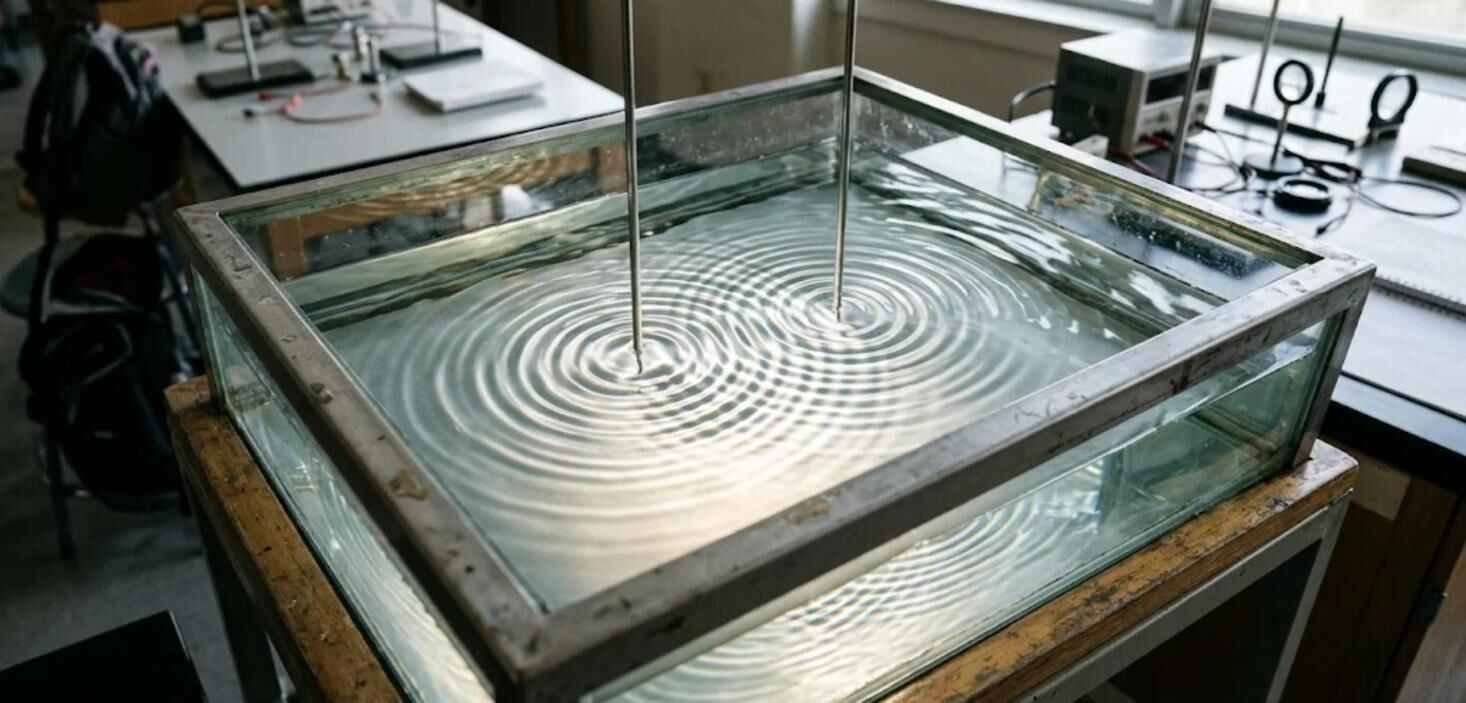
How waves add and cancel behind two slits, why the pattern builds up even one particle at a time, and a free browser simulator that…
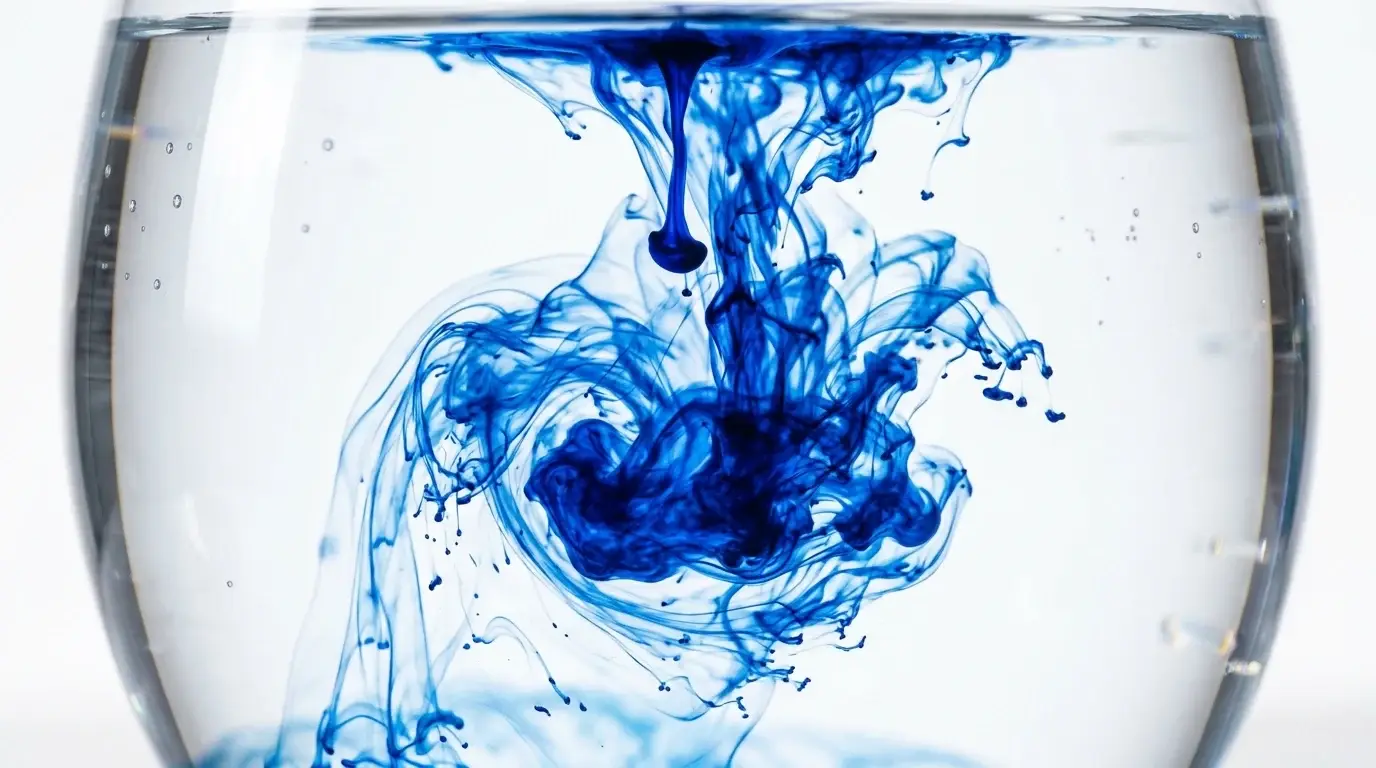
A WebGL fluid simulator built on Stam’s Stable Fluids, with dye, vorticity and pressure views, and the 2026 claim that the Navier–Stokes problem is solved.

A double pendulum simulator that runs three copies a hair apart and graphs their divergence on a log scale, with the Lorenz story and why…
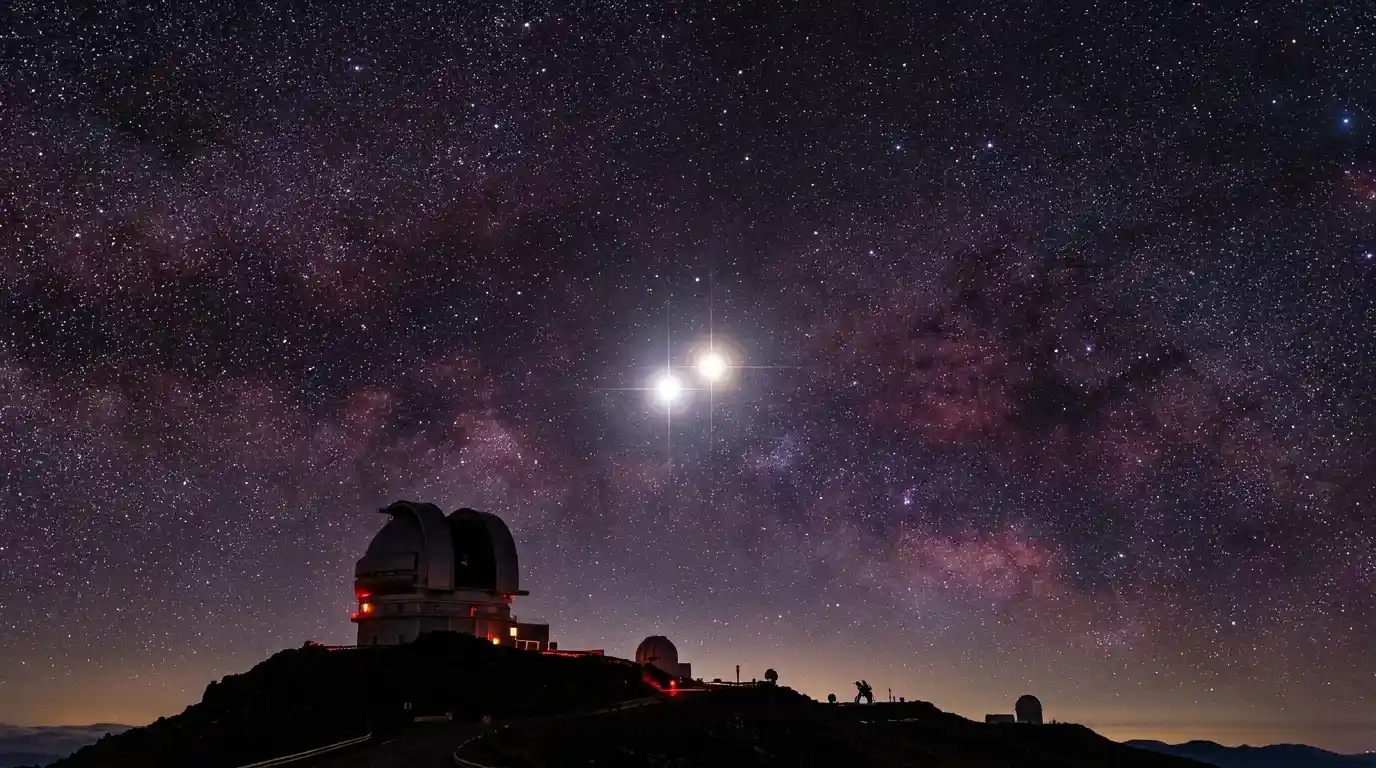
Gravity Lab runs N-body gravity in the browser: the solar system, binary stars, the three-body figure-eight and a 600-body galaxy, with Newton’s constant on a…

Kinetic Shapes runs 18 bouncing-ball arenas in the browser. The coefficient of restitution, rotating containers and chaotic billiards, explained with the sandbox.
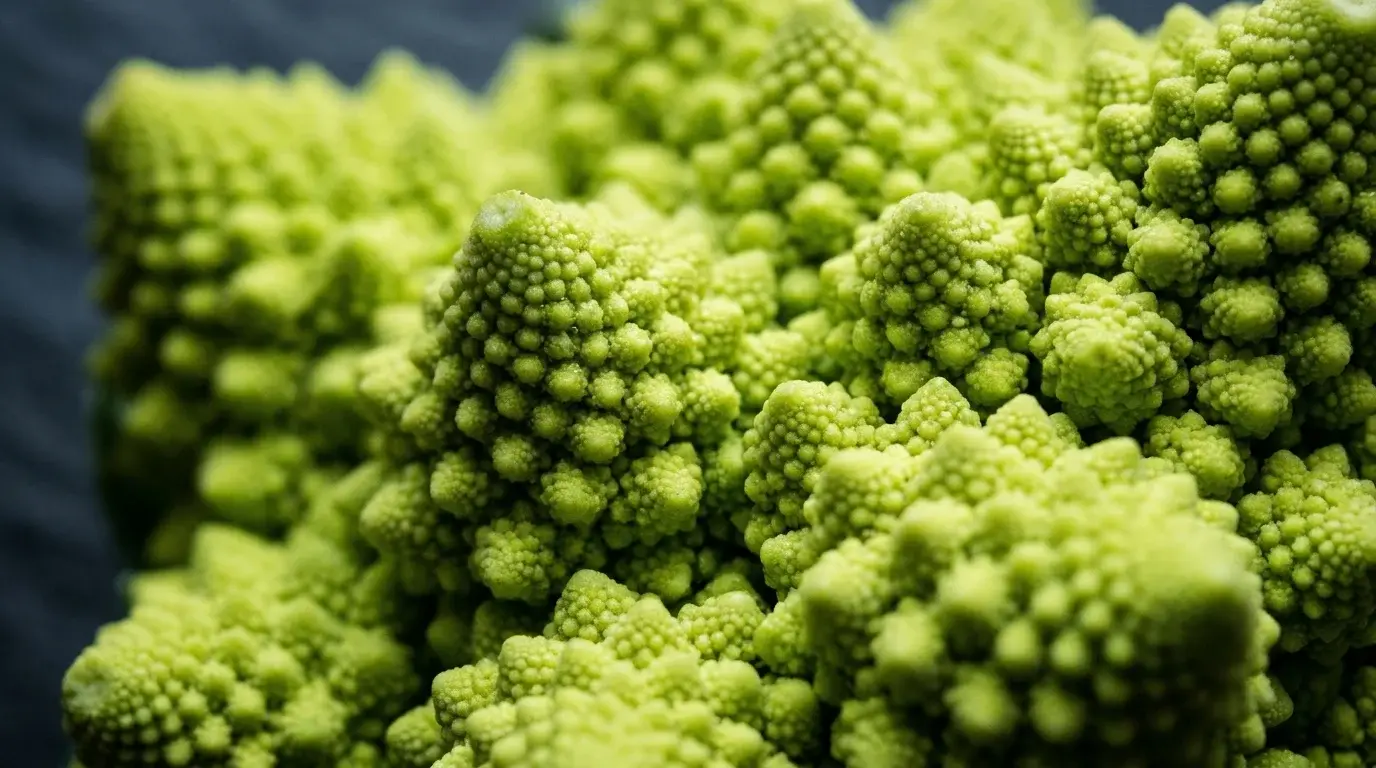
A browser Mandelbrot explorer with deep zoom and palettes, plus the history, the escape-time algorithm, the dimension-2 boundary and the open MLC conjecture.

Conway’s Game of Life, Wolfram’s Rule 30 and the Turing-complete Rule 110, explained with an embedded simulator that runs every rule in the browser.
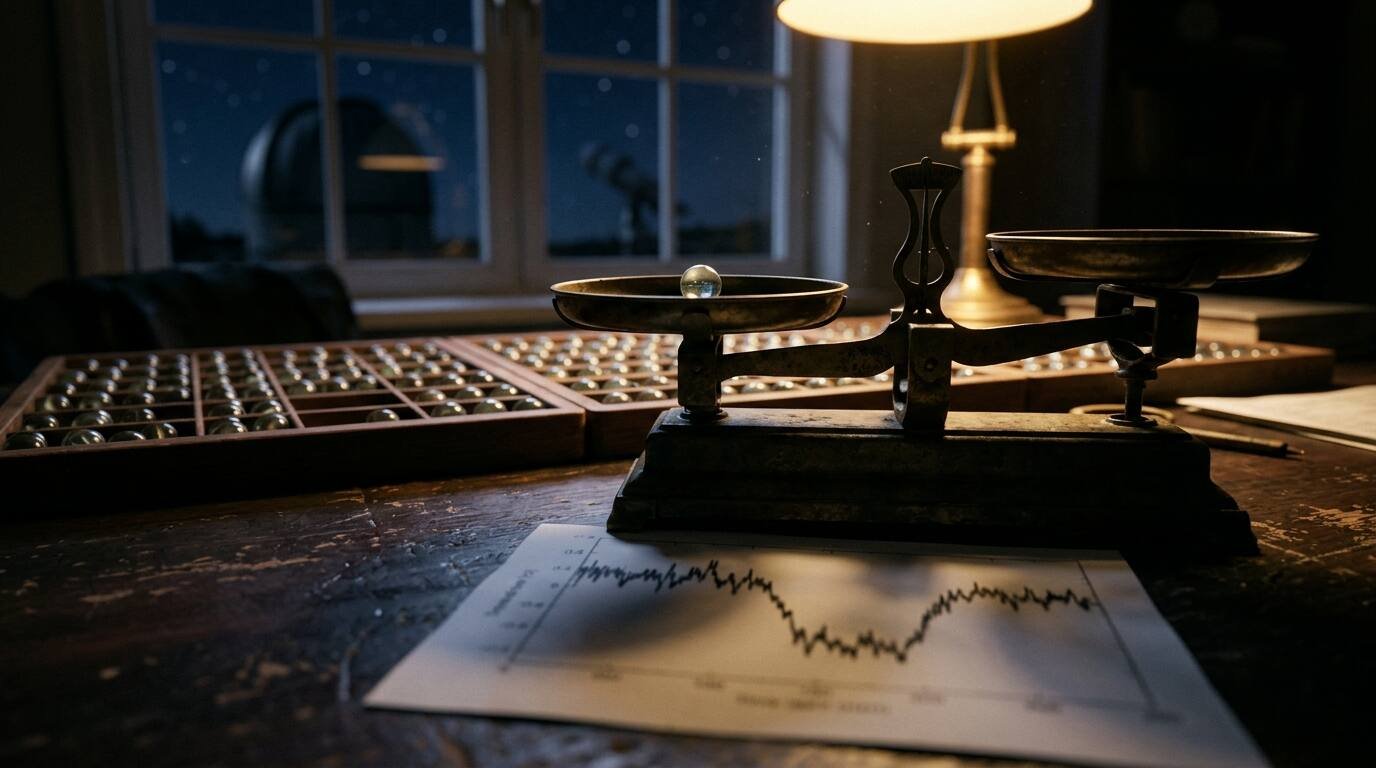
Of 3,028 exoplanets validated by statistics rather than weighed, 21 were later overturned. Within the scenarios validation models, the record matches the stated odds. Outside…