






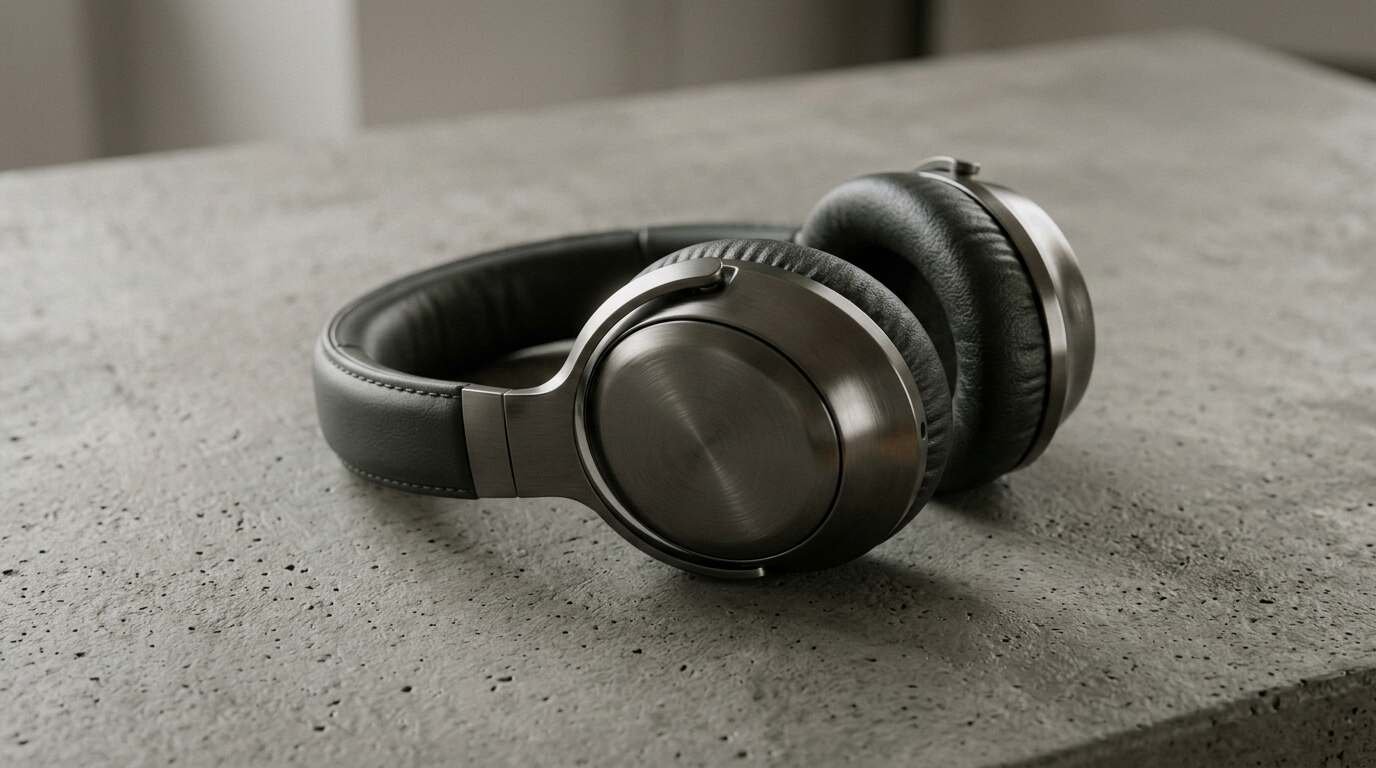
Nothing Headphone 1 Pro review: $399 spec sheet, SoundGuys isolation data, and where Gizmodo, T3, SlashGear and Creative Bloq agree and split.
This Nothing Headphone 1 Pro review is a read of the spec sheet and of five published verdicts, because x9m8 does not test audio gear. The headphones are Nothing’s second over-ear model, priced at $399 in the US and 349 pounds in the UK, with US sales starting September 29. Each number below carries the name of the outlet that produced it.
The reviews landed within five days of each other, from SlashGear on September 28 to Creative Bloq on October 2, and they split in a useful way. Nobody calls the Pro bad. The argument is about whether a roughly $200 jump over the cheaper Headphone (a), or a 100-pound jump over the original Headphone (1), buys enough.
There is also a tangle of small spec disagreements between outlets, which I flag where they matter.
The spec sheet, and where outlets disagree on it
Creative Bloq lists a three-driver design per side: a 40 mm dynamic driver for bass, a 13 x 8 mm dynamic driver for mids and an xMEMS solid-state tweeter for treble. SoundGuys says the tweeter reaches 40 kHz. Adaptive noise cancellation is rated up to 46 dB with 10 microphones, according to Creative Bloq, which presents that as the manufacturer’s rating, not a measurement.
Connectivity covers SBC, AAC and LDAC, plus LC3 for Auracast broadcast audio. SoundGuys adds a 3.5 mm analog jack and a USB-C digital input with a DAC up to 24-bit/192 kHz, and notes the multipoint is not true multipoint: it connects to two devices and switches audio between them. The IP rating is IP52, which SoundGuys describes as covering only light dripping water.
Two details conflict. SoundGuys lists Bluetooth 6.0 in its spec table and 6.1 in its body text; Creative Bloq says 6.1. SoundGuys also lists weight as 383.5 g in the table and 327 g in the text. Creative Bloq, Gizmodo and T3 give 327 g for the headphones and about 384 g for the case, so the 383.5 g figure appears to be the case, though that is my inference.
What changed from the original Headphone (1)
According to Creative Bloq, battery with ANC on falls from 35 hours to 30, with 28 hours using LDAC and ANC, and 68 hours with ANC off. Gizmodo calls the drop a little annoying at this price. Weight is close to unchanged, at 327 g against 329 g. Gizmodo says ANC improves by 2 dB over the previous generation, a difference its reviewer found subtle.
The additions are a physical Flat EQ switch tuned with Metropolis Studios, softer cushions and a wider, more padded headband. Creative Bloq notes Flat EQ disables Transparency Mode, Spatial Audio and the EQ while it is on. T3 puts the price premium at 100 pounds over the original’s launch price, which has not been cut.
T3’s verdict is the bluntest: the Pro keeps most of what its reviewer liked, but the price increase is not worth it. Creative Bloq calls it a clear buy for newcomers and a tough upgrade sell for current owners. Those two statements are compatible.
Sound: good, but reviewers disagree on bass
Gizmodo says the triple-driver system sounds fantastic. T3 calls the sound very good. Creative Bloq credits detailed sound from the driver layout and singles out the flat mode as valuable for creatives. SlashGear describes the sound as solid and crisp with no lost frequencies.
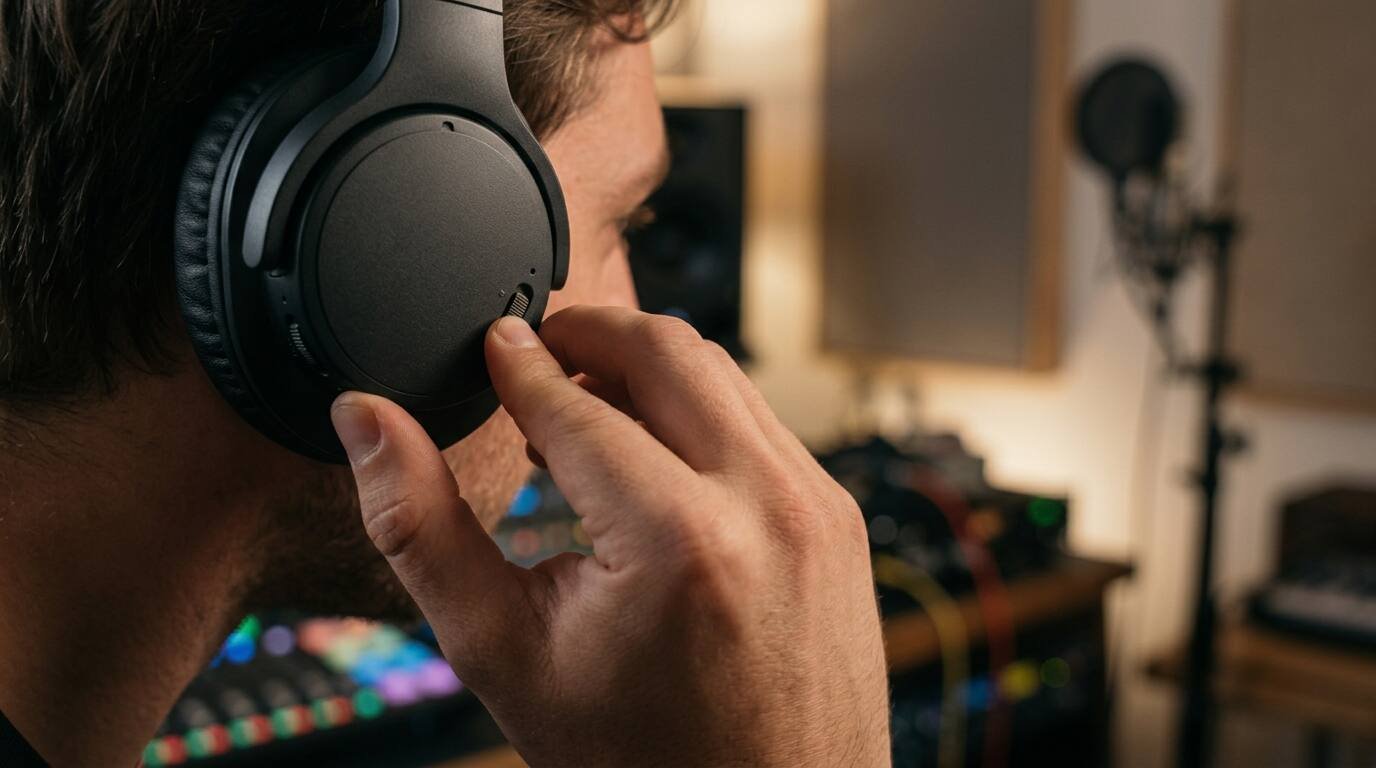
The same SlashGear review lists a midrange-heavy tuning with limited bass as a con. That sits against Gizmodo’s enthusiasm, and it is worth noting that SoundGuys, despite scoring the headphones 8.4 out of 10, published no frequency-response measurements in the review I read. So ‘how it sounds’ rests on subjective accounts here. If bass weight matters to you, the Flat EQ switch and the parametric EQ are the tools for adjusting it, per SoundGuys and Creative Bloq.
Noise cancelling and isolation
SoundGuys provides the only lab-style isolation numbers: about 78.2 percent passive isolation and about 87.4 percent total attenuation with ANC on, measured on a test head. The outlet cautions that real-world results depend on fit, and that jaw movement from chewing or talking can break the seal and lower ANC performance. Its isolation category score is 7.8 and its ANC score 8.7.
Opinions on the ANC itself range from average to good. Gizmodo calls it average and says the sound quality more than makes up for it. SlashGear calls it good but not quite at Sony or Bose flagship levels, and says the softer pads reduce isolation. SlashGear also noted ANC greatly reduced wind noise while riding a Segway at about 22 mph, while warning against riding with ANC on.
The consistent theme is that seal and fit decide the result. If you wear glasses or have a jaw that moves, the numbers above may not apply to you.
Features that rivals mostly lack
SoundGuys lists Auracast broadcasting, wired USB-C listening through a digital DAC and a true parametric EQ with a settable center frequency for each filter as the Pro’s standout items. SlashGear adds a community EQ tab in the app and simple and advanced EQ modes, and complains that many controls cannot be reassigned.
Controls draw praise from several outlets. Gizmodo’s reviewer says the controls are the best he has tested, T3 calls them best-in-class, and Creative Bloq says they are good. SlashGear mentions that the right-side control layout may be awkward for left-handed users.
SoundGuys also ran a reader poll on microphone quality: of 193 votes, 17 percent rated it excellent, 39 percent good, 33 percent okay, 7 percent not good and 4 percent awful. That is a listener opinion poll, not a measurement.
The case problem
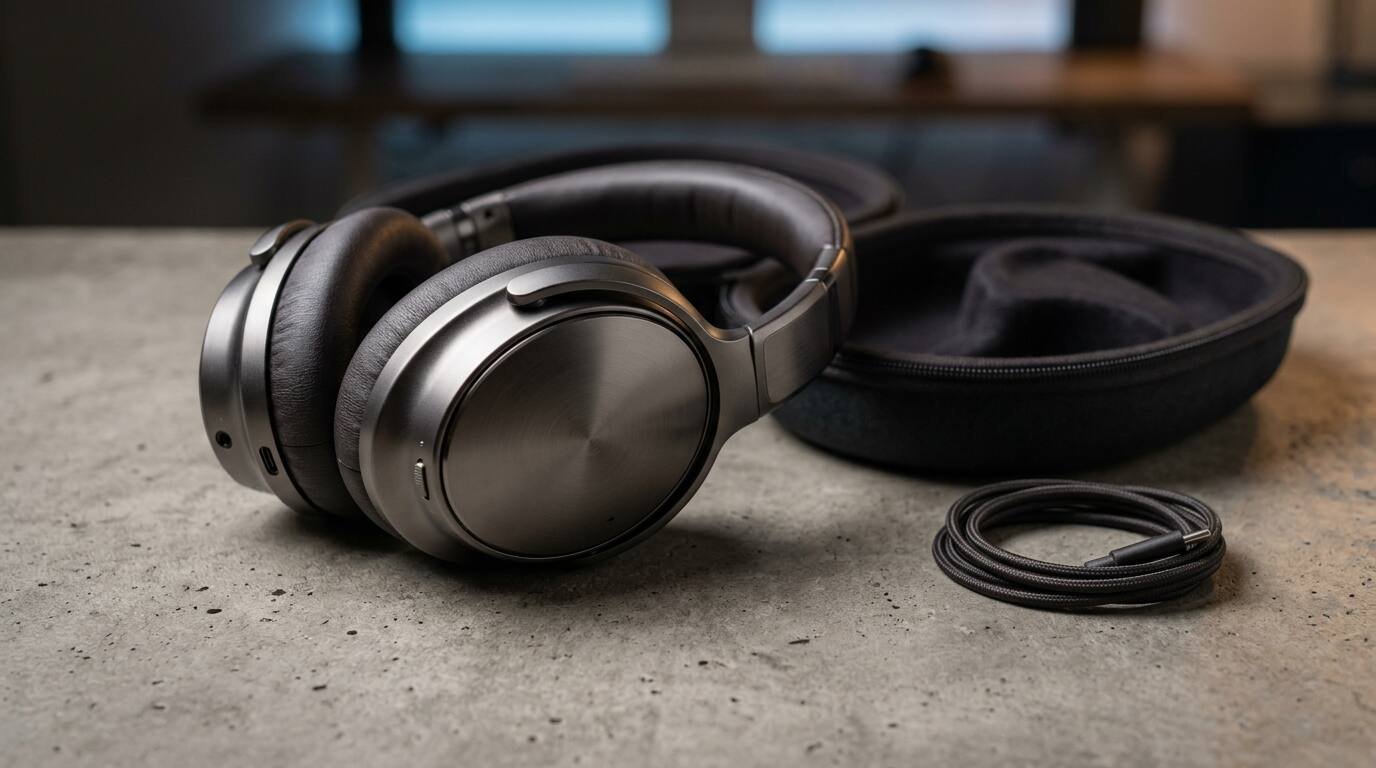
The closest thing to consensus is the case. SoundGuys says the hardshell covers only the ear cups and leaves the band exposed. SlashGear says it fits the earcups, has no room for cables and does not include the lanyard cord. T3 calls it the most frustrating case it has tested. Gizmodo says some buyers may find it bothersome, and notes that at about 384 g it weighs more than the headphones.
This is a travel-headphone problem. If you plan to keep them in a bag, the case adds weight without offering much protection to the headband, according to the sources above.
Pros and cons from the published record
Attributions are in brackets. These come from the reviews, not from use of the product.
- Pro: Triple-driver design with an xMEMS tweeter (Creative Bloq, SoundGuys).
- Pro: Auracast, USB-C DAC listening and parametric EQ (SoundGuys).
- Pro: Controls rated the best the reviewer had tested (Gizmodo, T3).
- Pro: Softer, easier-to-replace pads and a more padded headband (SoundGuys, Creative Bloq).
- Pro: Lab isolation of about 87.4 percent with ANC on (SoundGuys).
- Con: $399, with Sony WH-1000XM6 at $448 and Bose QuietComfort Ultra (2nd Gen) at $449 on Amazon per SoundGuys, so the saving is modest.
- Con: Case design, widely criticized (SoundGuys, SlashGear, T3, Gizmodo).
- Con: ANC average to good, not flagship (Gizmodo, SlashGear).
- Con: Battery with ANC on is 30 hours, down from 35 on the original (Creative Bloq, Gizmodo).
- Con: Fit sensitivity and IP52 rating only for light dripping water (SoundGuys).
Who should buy it
It suits someone who wants wired USB-C listening, Auracast or serious EQ control in a design that looks different from the Sony and Bose defaults. Creative Bloq specifically points at audiophiles, music makers and creatives for the Flat EQ switch. New buyers who do not already own the Headphone (1) are the group the reviews favor.
It does not suit owners of the original, who are told by Creative Bloq and T3 not to rush. It also does not suit anyone who needs the strongest possible ANC: SlashGear’s reviewer thinks the Headphone (a) at $199 gives similar ANC and transparency for half the price and is the better value overall. T3 recommends the original Headphone (1) on a sale, or the Sennheiser Momentum 5 Wireless.
Frequently asked questions
How much does the Nothing Headphone (1) Pro cost?
SoundGuys, Gizmodo and T3 list $399 in the US, and T3 and Creative Bloq list 349 pounds in the UK. SoundGuys lists Amazon prices of $448 for the Sony WH-1000XM6 and $449 for the Bose QuietComfort Ultra (2nd Gen).
How long is the battery life?
Creative Bloq cites up to 30 hours with ANC on, 28 hours with LDAC and ANC, and 68 hours with ANC off. SoundGuys calls these Nothing’s claims, not yet verified by its own test.
Is the Headphone (1) Pro better than the original?
Reviewers say it is better but not by a lot. Creative Bloq hears improvements in sound and ANC while saying the original still sounds very good for its price, and T3 does not think the price increase is justified.
Does it support wired listening?
Yes. SoundGuys lists a 3.5 mm analog connection and a USB-C digital connection with a DAC supporting up to 24-bit/192 kHz.
The Headphone 1 Pro is a product for people who want unusual features done well and will tolerate a bad case. The reviews are warmer about the headphones than about the price, and none of them argues that the ANC beats Sony or Bose. If features like Auracast, USB-C audio and real parametric EQ matter to you, the case for the Pro is real. If you want the best noise cancelling per dollar, the Headphone (a) or a discounted rival makes more sense. Whichever route you take, check the return policy first, since SoundGuys’ warning about seal and fit is the one risk that no spec sheet can settle.
Sources



