The Apple Watch Series 12 rebuilds the sensor array on the back of the case. Apple calls the new hardware the Health Sensing System: a redesigned optical heart sensor, a new electrical heart sensor, and a software layer that turns the data into a daily readiness score from 0 to 10. The watch went on […]
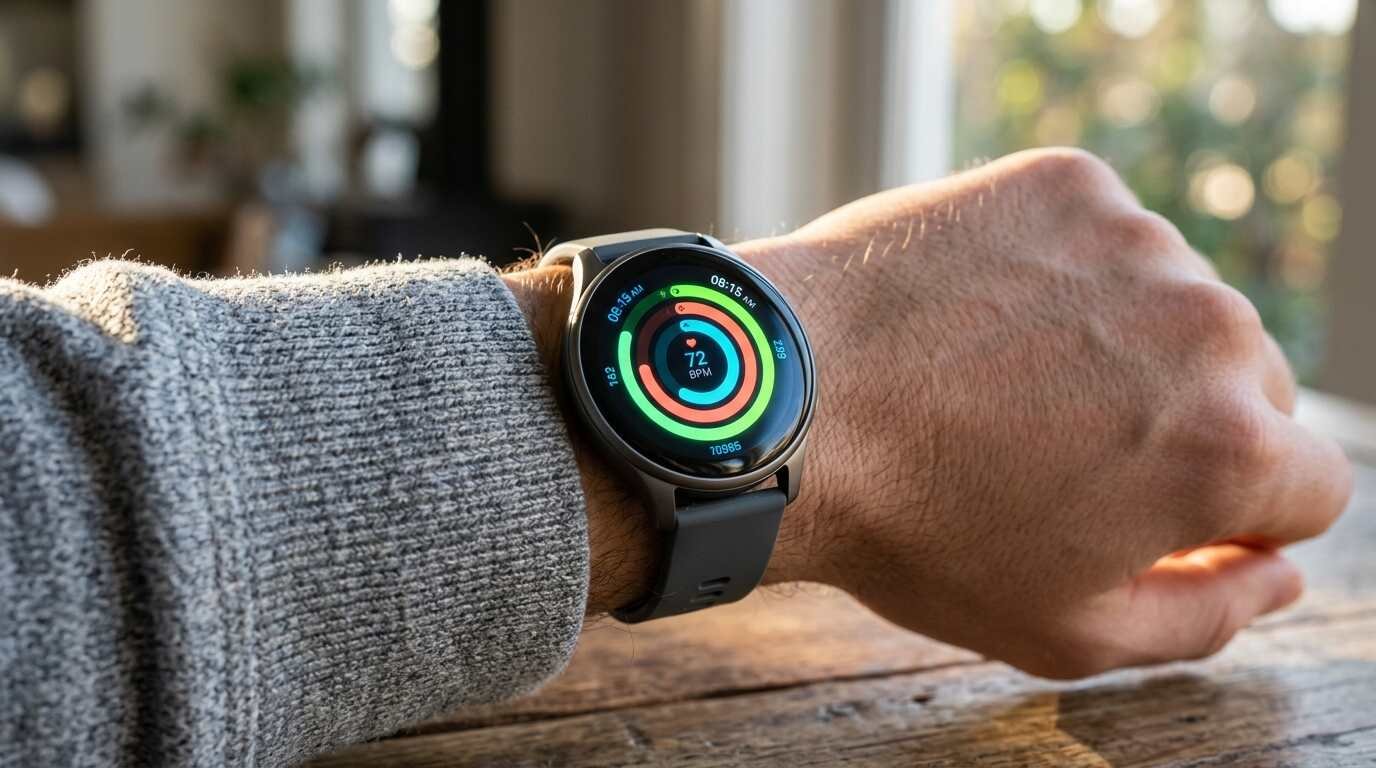
The Apple Watch Series 12 rebuilds the sensor array on the back of the case. Apple calls the new hardware the Health Sensing System: a redesigned optical heart sensor, a new electrical heart sensor, and a software layer that turns the data into a daily readiness score from 0 to 10. The watch went on sale September 18 at $399 and runs watchOS 27, which arrived September 14.
Here is how optical and electrical heart sensing work, why measuring heart rate variability more often matters, and where Apple’s own footnotes limit the claims. Figures come from Apple’s Series 12 announcement unless another source is named, and they are manufacturer claims awaiting independent verification.
What Changed Inside the Watch
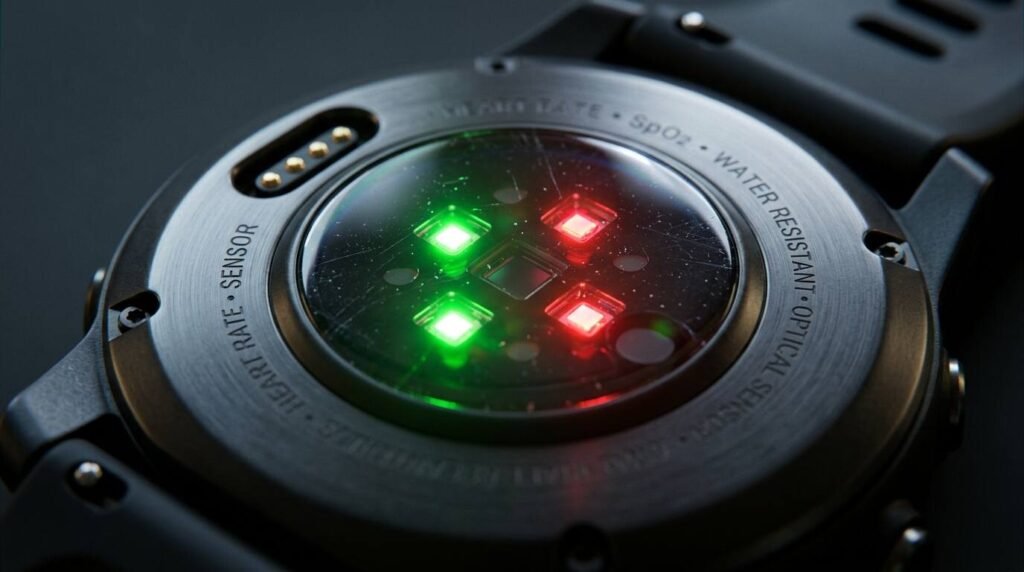
Apple’s S11 chip, which the company calls its most powerful wearable processor, drives the new system. Two sensors do the measuring. The optical sensor now uses larger, power-efficient green LEDs, and a new electrical heart sensor joins it. Heart rate is sampled every five seconds throughout the day, and heart rate variability (HRV) is measured up to 24 times more often than before.
Case options widen as well. Series 12 comes in 42mm and 46mm sizes in aluminum (dark bronze, black, light gold and space gray), titanium (radiant gold and natural) and ceramic (pearl white and night blue). Aluminum models use Ceramic Shield 2 glass, which Apple says is 60 percent tougher than the Ion-X glass on Series 11. Apple reports 40 percent recycled content overall.
How Optical Heart Sensing Works
The optical sensor relies on a principle called photoplethysmography. Green LEDs shine into the skin, and photodiodes measure how much light returns. Blood absorbs green light strongly, so each pulse of blood volume under the sensor modulates the reflected signal. Count the pulses and you have heart rate.
Larger, more efficient LEDs matter because sampling costs power. In principle, a strong signal for a given power draw lets the watch measure more often without draining the battery faster, and a stronger signal can also help on darker skin tones and during motion, two long-standing weak points for optical sensors. Apple’s announcement does not make those two claims; they describe the technology in general.
What the Electrical Sensor Adds
An electrical heart sensor measures voltage differences across the skin, which is how an ECG records the heart’s activity. It does not depend on blood flow, so it can capture the timing of heartbeats more directly than light can. Apple’s announcement does not describe the new sensor’s electrode design or how the electrical and optical streams combine, and it makes no regulatory clearance statement for the Health Sensing System. The existing ECG app and sleep apnea notifications are mentioned, but the page footnote says the Vitals app is for wellness purposes only and not for medical use.
Heart Rate Variability, Explained
HRV measures the small differences in time between consecutive heartbeats. A resting heart does not tick like a metronome; the nervous system speeds and slows it from beat to beat. Higher variability generally reflects a body that adapts flexibly, and a drop can accompany stress, poor sleep or illness, though many factors move the number.
Apple’s Health app has long reported HRV as SDNN, the standard deviation of beat-to-beat intervals. That is background, not a detail from the Series 12 announcement. What Apple does say is that Series 12 offers two variants, Recovery HRV and overall HRV, shown in a new section of the Heart Rate app.
Measuring 24 times more often matters because HRV is noisy. A single reading shifts with posture, breathing and movement. More samples allow averaging and let the software pick the cleanest windows, which makes a daily trend more trustworthy than a handful of snapshots. The cost is energy, one reason the sensor redesign and the S11 chip arrive together.
The Readiness Score
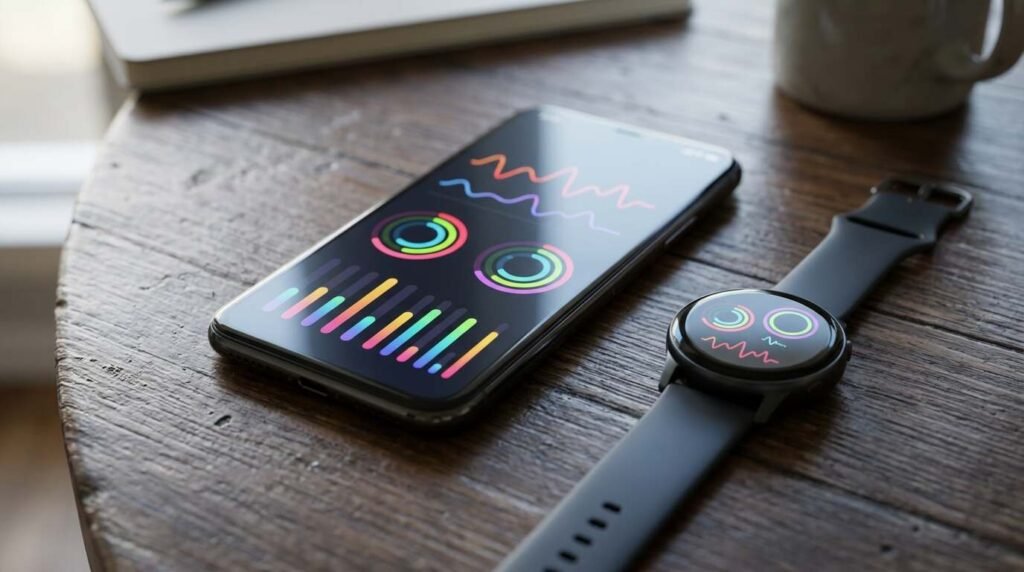
Readiness condenses several inputs into a single number. According to Thurrott, the score combines recent activity, training load, vitals and sleep, and it updates throughout the day on a 0 to 10 scale. It maps to four recommendations: Recover, Pace Yourself, Ready or Go For It.
Other wearable makers offer comparable scores, including Oura’s readiness score and Garmin’s training readiness. The usefulness of any of them depends on how transparently the formula is explained, and Apple’s materials do not publish weights for the inputs. Treat the number as a prompt for reflection, not a diagnosis.
The Arithmetic of Sampling Every Five Seconds
A five-second interval sounds modest until it runs all day. Twelve readings a minute across 24 hours totals 17,280 heart-rate samples, which is simple arithmetic on Apple’s stated rate rather than a figure from the announcement. Each sample means lighting LEDs, reading photodiodes and processing the result, so the efficiency of that chain decides how much battery the feature consumes.
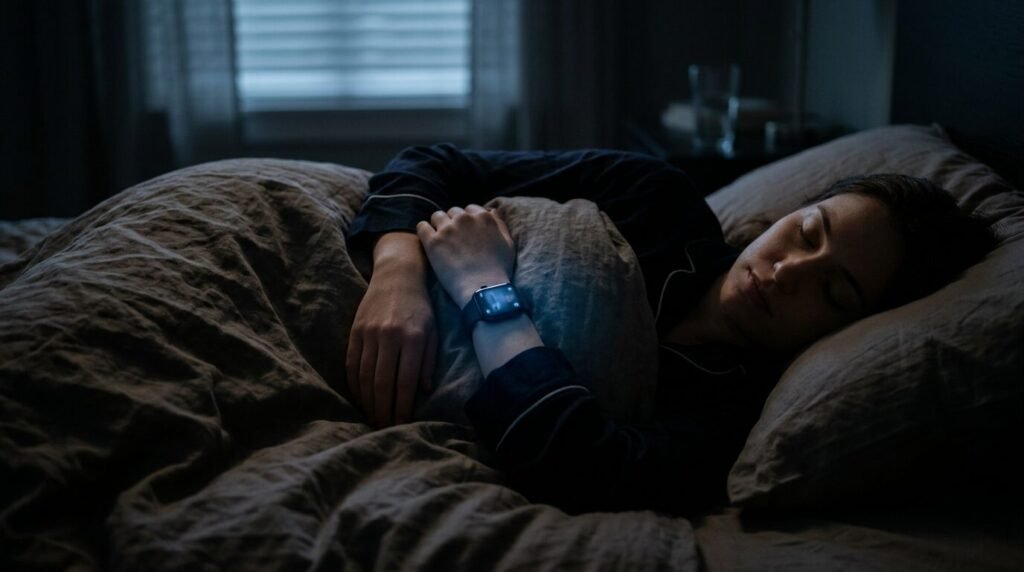
The same logic explains why Apple pairs the denser sampling with a new chip and more efficient LEDs. A watch that samples more often but drains faster would trade one problem for another, and Apple’s 24-hour everyday rating is the evidence it is trying to avoid that.
How Wrist Accuracy Gets Judged
Claims about heart rate and HRV accuracy are usually tested against a reference device, typically a chest strap or a clinical ECG, while volunteers rest, walk, run and sleep. Two separate questions get answered. Correlation asks whether the watch rises and falls with the reference, and agreement asks how far apart the two numbers sit at any given moment. A device can score well on the first and poorly on the second.
Motion is the usual failure point for optical sensors, since a moving wrist changes how light reaches the skin. Resting and overnight readings tend to be cleaner, which is why HRV features lean on sleep and quiet periods. Until labs publish comparisons for the Series 12, the improvements Apple describes remain a promising design rather than a measured result.
Battery, Charging and Everyday Use
Apple rates everyday battery life at up to 24 hours and outdoor workouts at up to 10 hours, 25 percent more than the previous model. Fast charging adds up to 12 hours in 15 minutes, 50 percent more than before. That fast-charge figure is useful for sleep tracking, since a quick top-up before bed makes overnight HRV and sleep data practical.
Thurrott also reports a rearchitected pedometer that Apple says is the most accurate on any smartwatch, plus Audio Intelligence features including sound alerts, recall of what was said, conversation summaries and background music identification. Apple says raw audio is inaccessible to the operating system, apps, users and Apple itself, and that summaries are end-to-end encrypted. These are Apple’s statements and have not been independently tested.
Reading the Footnotes
Apple’s fine print often carries more information than its headlines. The Vitals app disclaimer says it is for wellness purposes only, which means readings from it are not meant to guide medical decisions. The announcement describes no regulatory status for the readiness score.
Practically, the announcement does not restate regulatory status for any individual feature, so the new sensing and scoring layer is best treated as informational until Apple or an independent lab says more. None of this makes the hardware less capable; it clarifies which claims Apple has chosen to make.
The Ultra 4 and What Comes Later
Apple Watch Ultra 4 starts at $799 and shares the Health Sensing System, according to Thurrott. The same report cites a battery rating of up to 50 hours, but the wording is ambiguous about whether that applies only to the Ultra, so check Apple’s specification page before relying on it.
A redesigned Health app with Insights and Longevity tabs is slated for later this year, not at launch. Apple has a separate event scheduled for October 13, and our guide to what is confirmed and rumored covers it.
What Remains Unconfirmed
- Independent accuracy testing of the new optical and electrical sensors
- The formula behind the readiness score
- Any regulatory clearance for the new capabilities
- Battery life under real-world conditions beyond Apple’s ratings
Sources