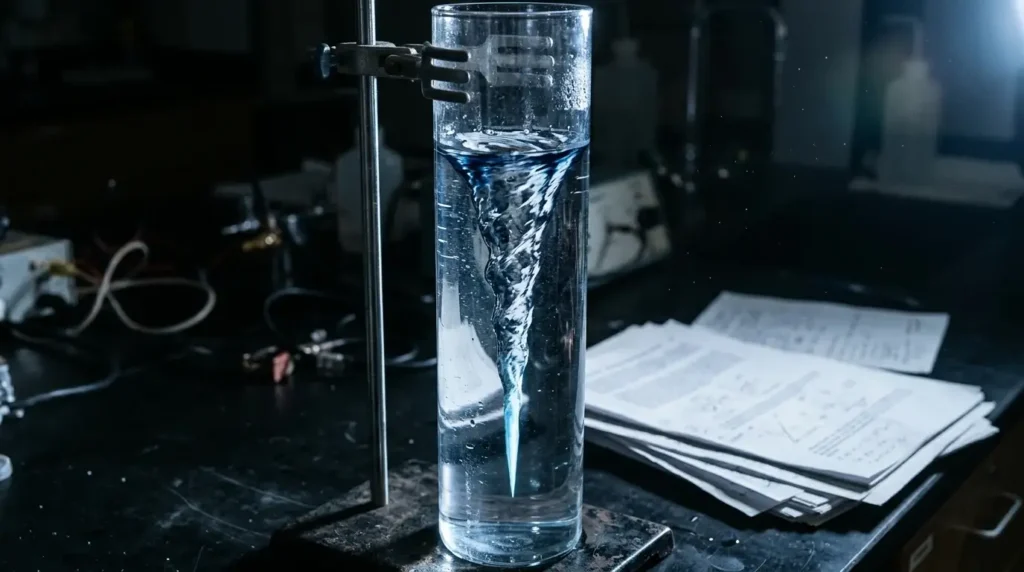
Did AI Crack Navier–Stokes? OpenAI’s Proof Against the Clay Rules
OpenAI says its 166-page Navier–Stokes blowup proof meets Clay’s statement (C). What Lean and human checks show so far, the credit fight, and the prize…

Science, Technology and the Physics Underneath
OpenAI says its 166-page Navier–Stokes blowup proof meets Clay’s statement (C). What Lean and human checks show so far, the credit fight, and the prize…
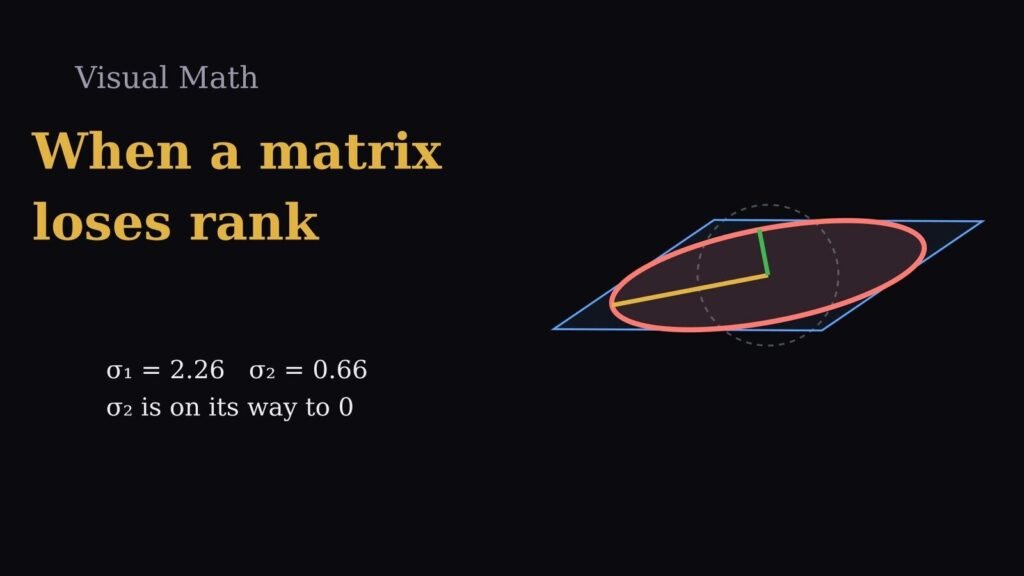
A 2×2 matrix turns the unit circle into an ellipse. Shrink the smaller singular value to zero and the ellipse flattens to a line, so…
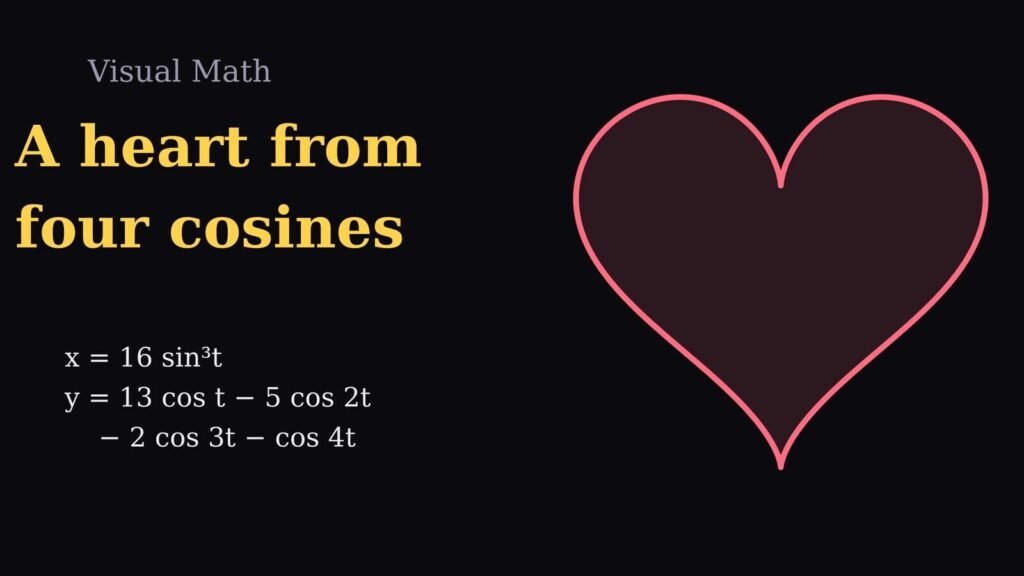
A heart curve takes four cosines and one cubed sine. Sliders show how each term shapes the cleft and tip, with two implicit heart equations…
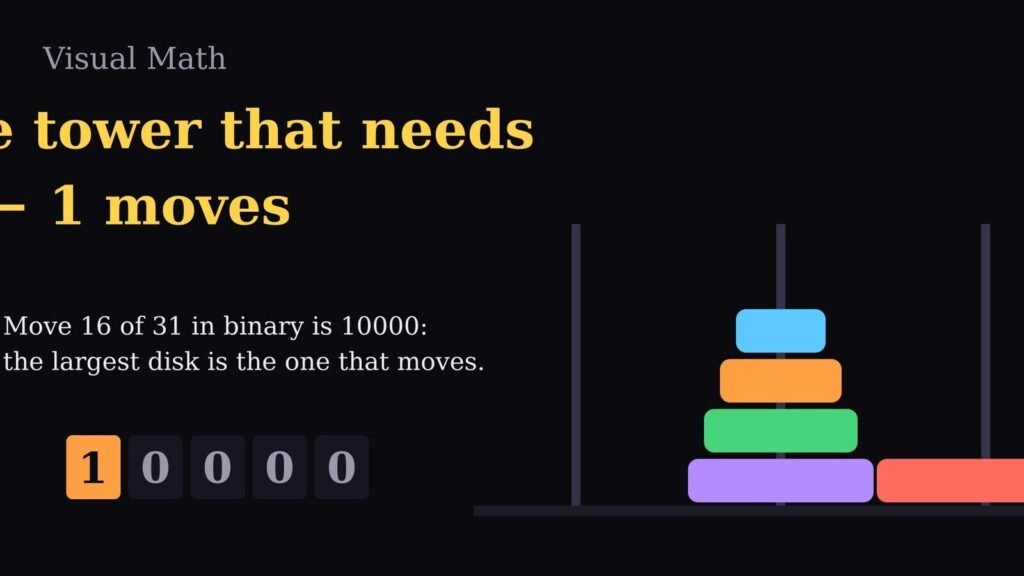
Five disks need 31 moves and ten need 1,023. An interactive Tower of Hanoi shows the count in binary, so the disk to move is…
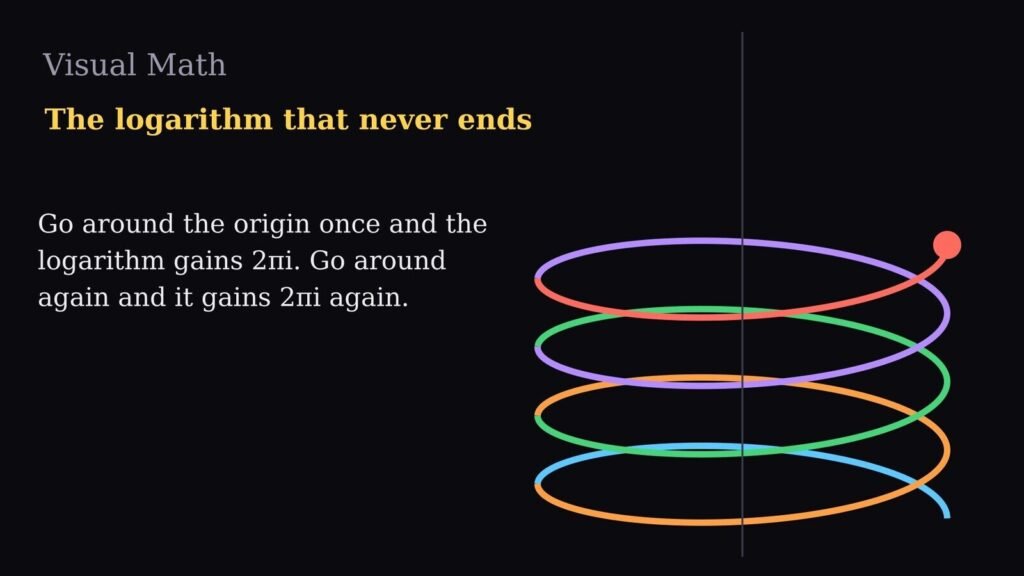
Go around the origin once and the complex logarithm gains 2πi. An interactive z plane, w plane and Riemann surface show why one number has…
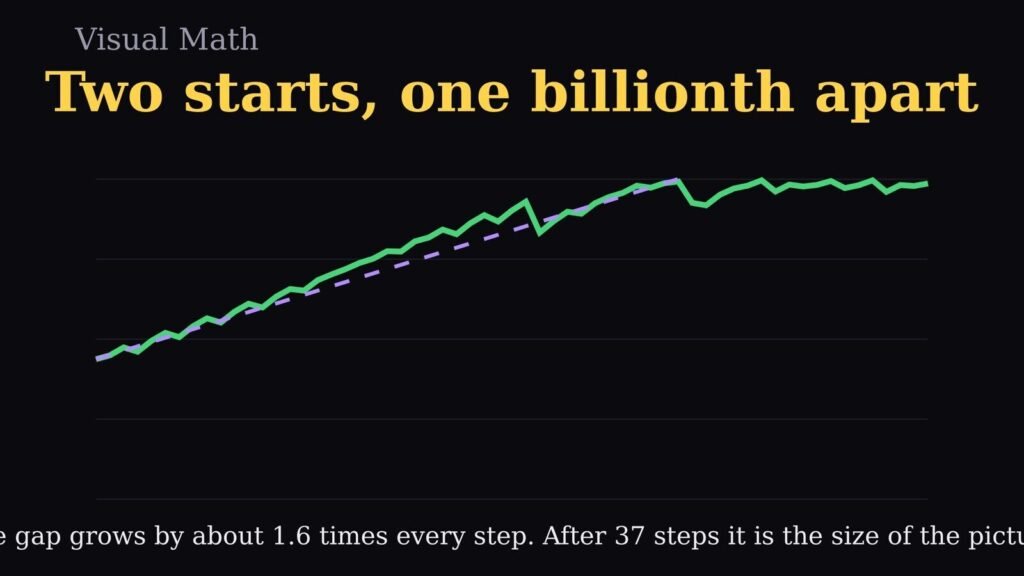
Two runs of one equation start a billionth apart. The gap grows about 1.6 times per step, and by step 37 the two runs have…

An interactive ripple tank: solve the 2D wave equation live for two sources, a slit, a lens and a moving dipper. See interference, refraction and…

A Galton board simulator with adjustable rows and bias, an exact binomial overlay, and live mean and spread compared with theory for every ball dropped.
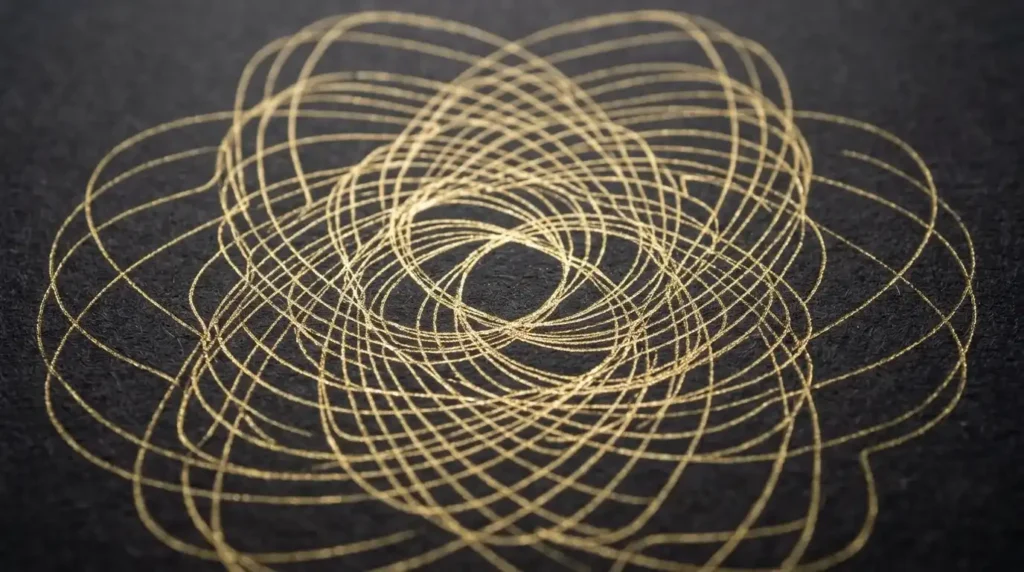
A harmonograph and Lissajous simulator: the sine-wave equations, frequency ratios, phase, detune and decay that shape each curve, with a live canvas.
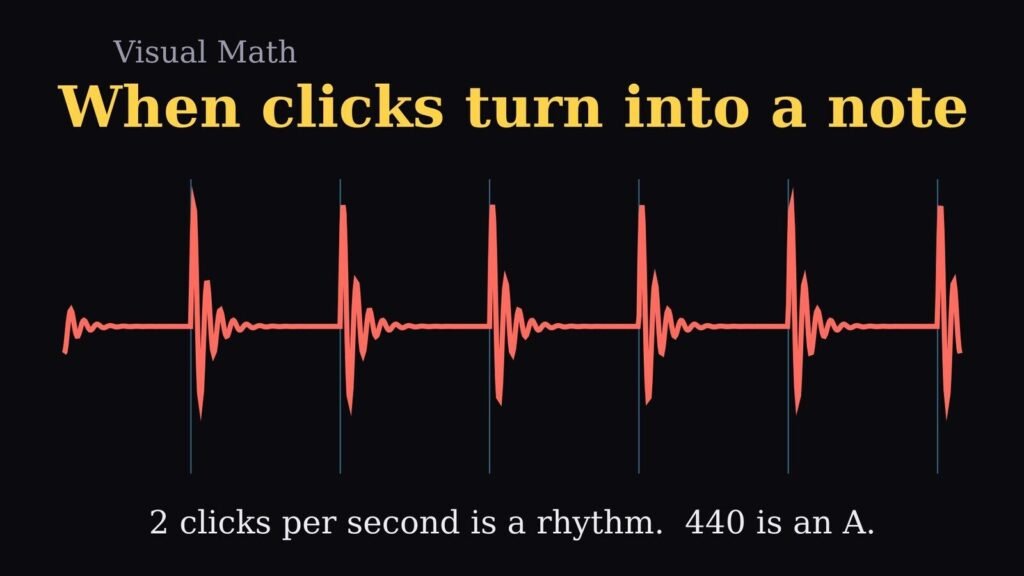
Clicks at 2 per second are a rhythm; at 440 per second they are the note A. The studies behind that change, plus a free…