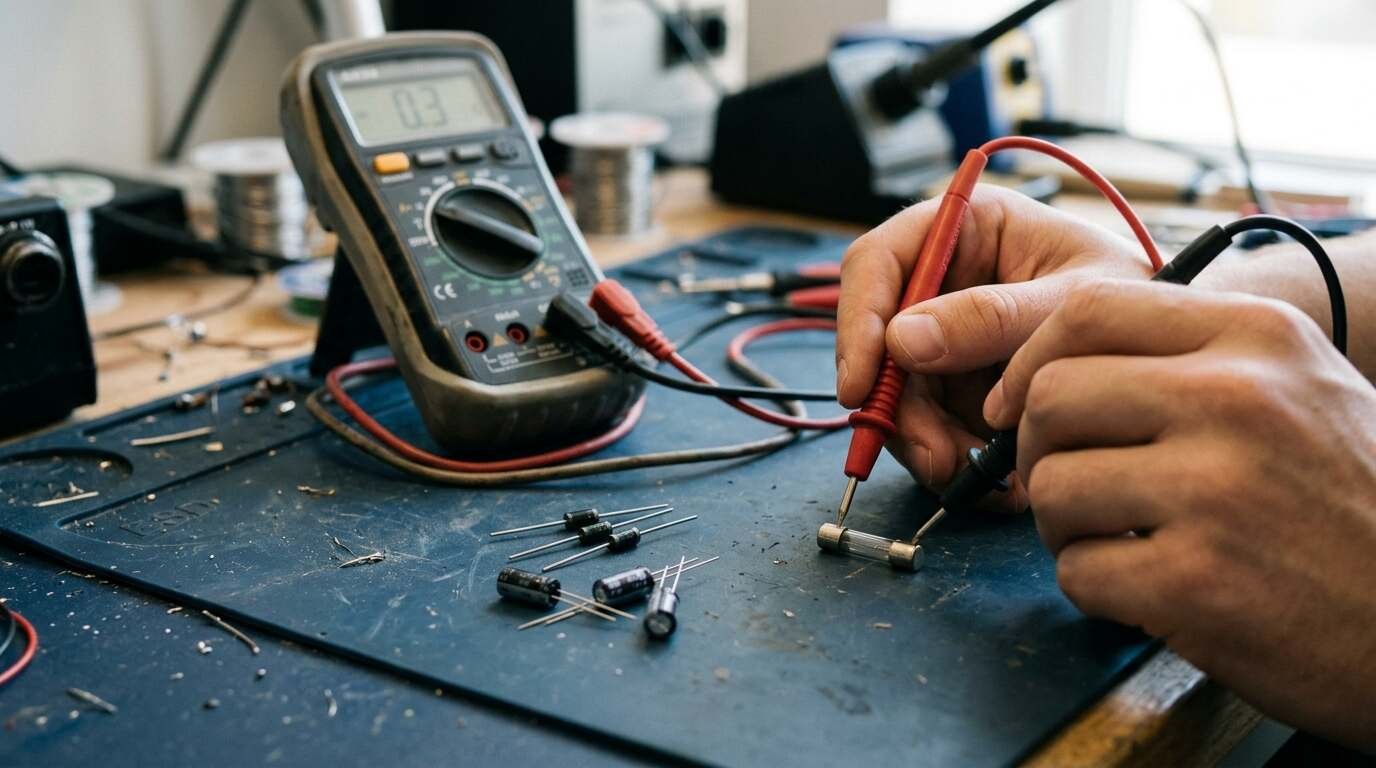
How to Test a Fuse, Diode and Capacitor With a Multimeter
Plain answers on testing a fuse (continuity), a diode (diode-test mode) and a capacitor (capacitance mode), including why capacitance alone cannot catch a high-ESR electrolytic.

Science, Technology and the Physics Underneath
Plain answers on testing a fuse (continuity), a diode (diode-test mode) and a capacitor (capacitance mode), including why capacitance alone cannot catch a high-ESR electrolytic.
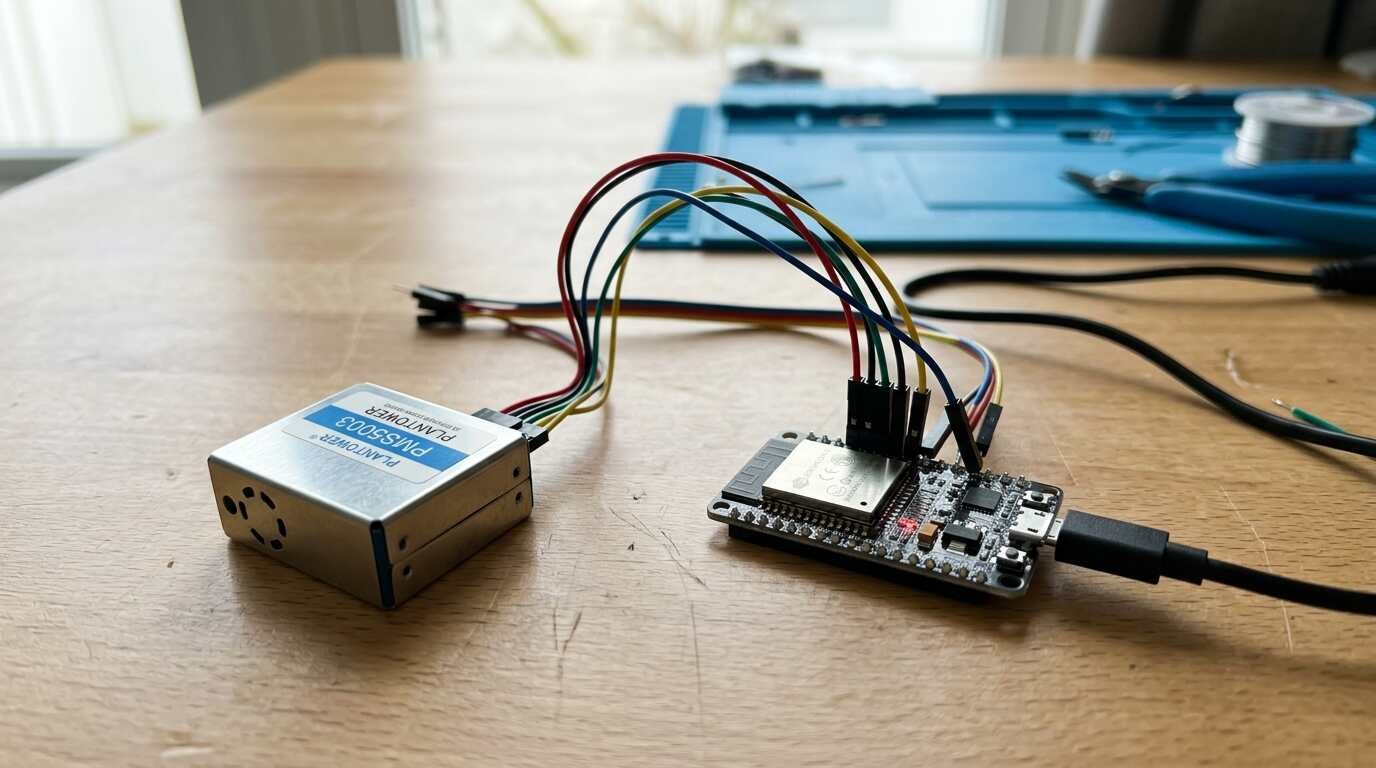
How a laser-scattering PM2.5 sensor counts particles, what the PMS5003 datasheet promises, how to parse its 32-byte frame on an ESP32, and why humidity limits…
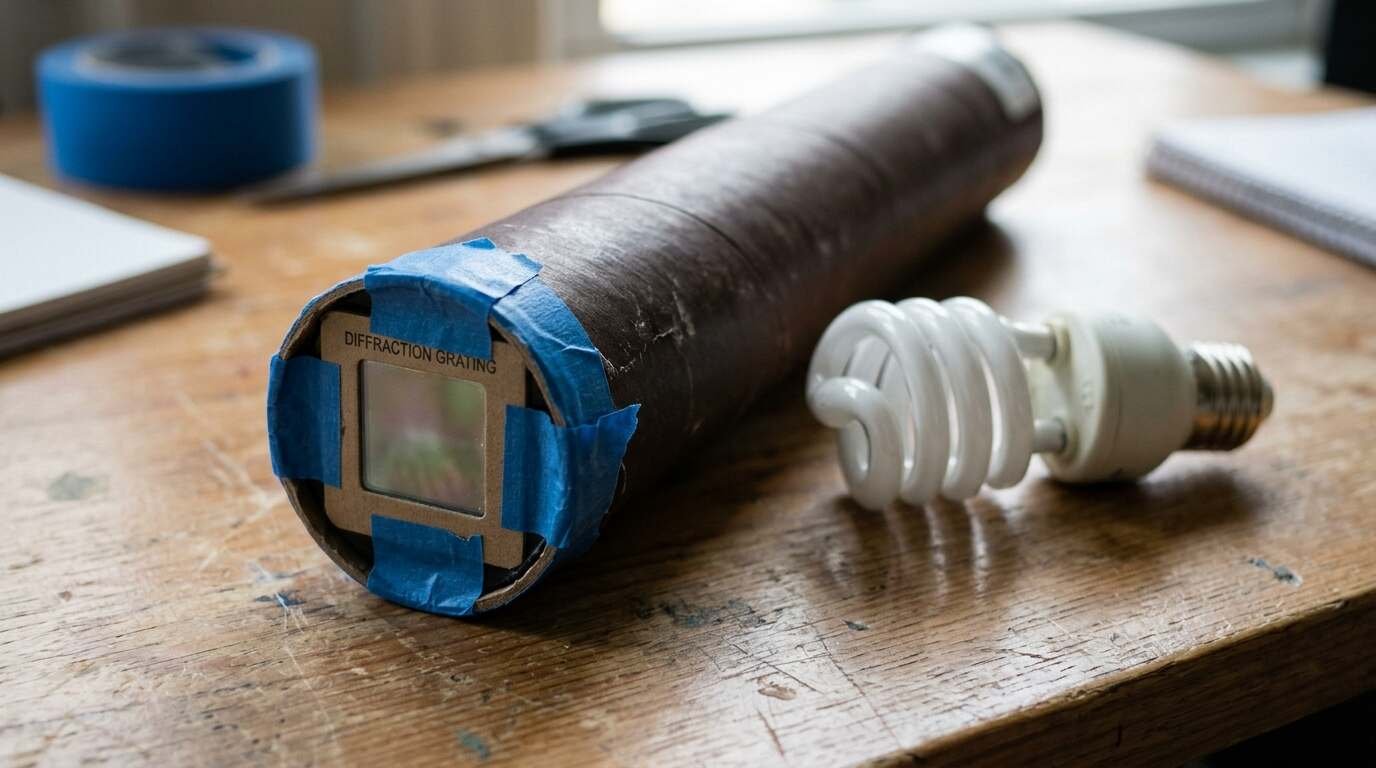
Two ways to build a diffraction-grating spectroscope, how to calibrate it with a fluorescent lamp, and a table for reading LED, CFL, sodium and sky…

A worked git bisect example: mark good and bad commits, automate the search with git bisect run, understand the exit codes, and see why log2…

Keys, two config files, one forwarded UDP port and a routing setting get a laptop onto a home network. A tutorial, plus a plain-language look…
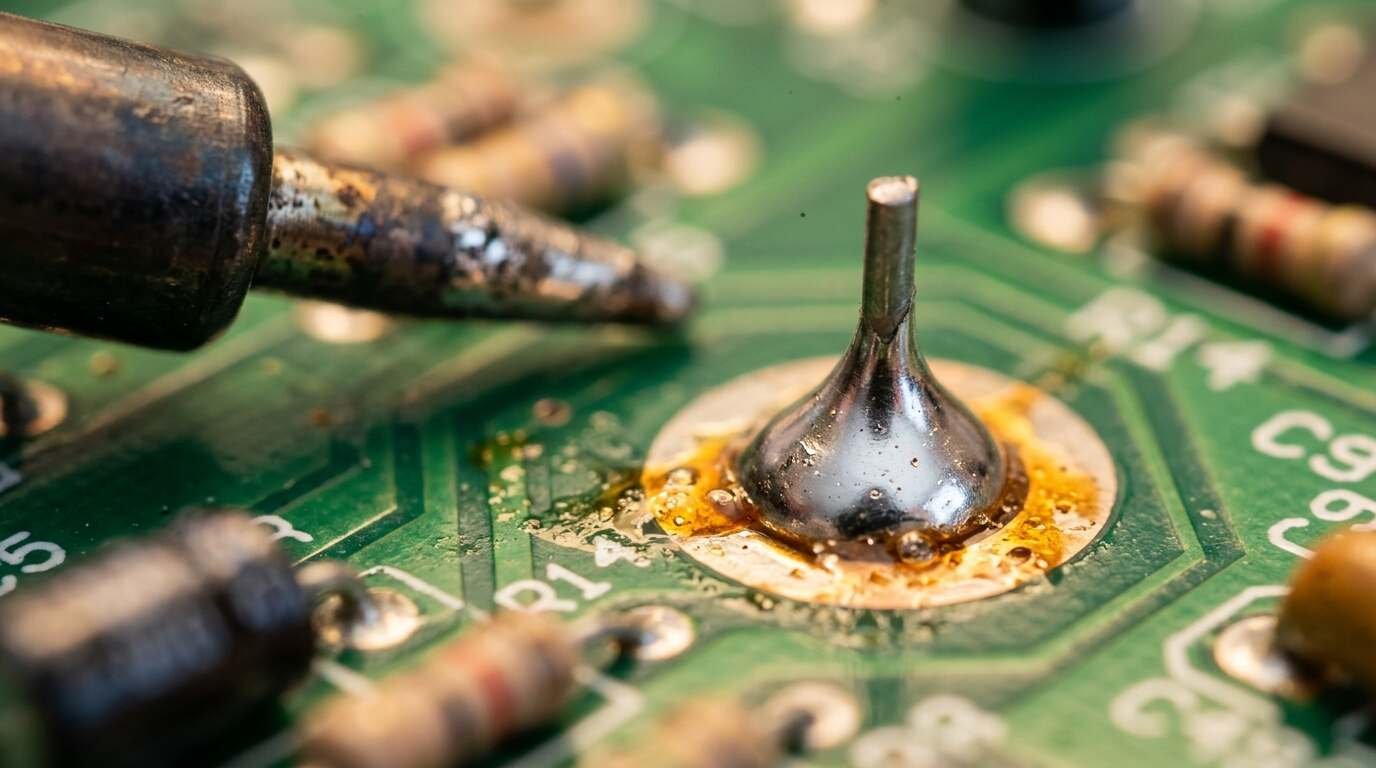
Wetting, flux and temperature explained, with a do and don’t list, a look at good versus cold joints, and a troubleshooting table, all drawn from…
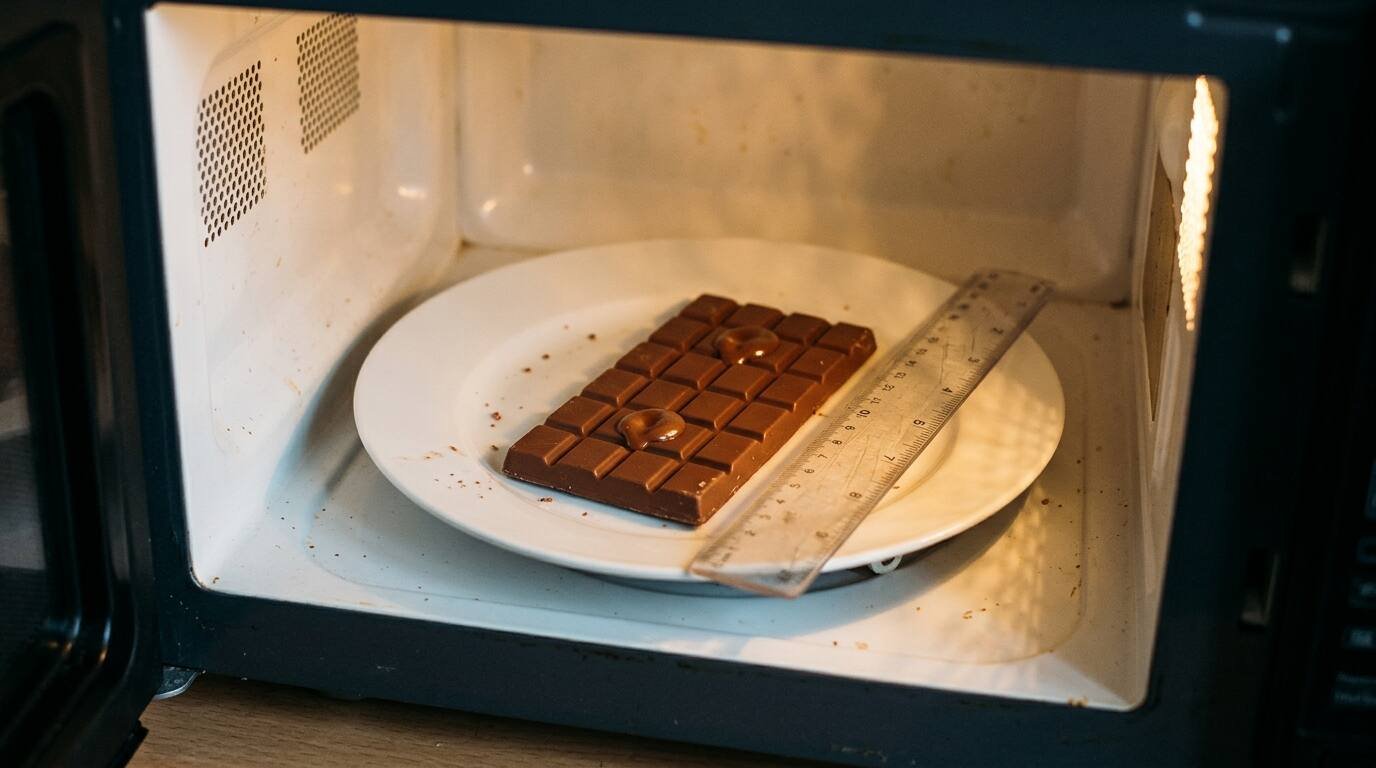
Find the speed of light from melted chocolate spots and the frequency on your oven’s label, with a worked calculation, safety notes and an honest…

YouTube A/B testing is moving past titles and thumbnails. At Made on YouTube on September 23, 2026, the company announced that creators will be able…
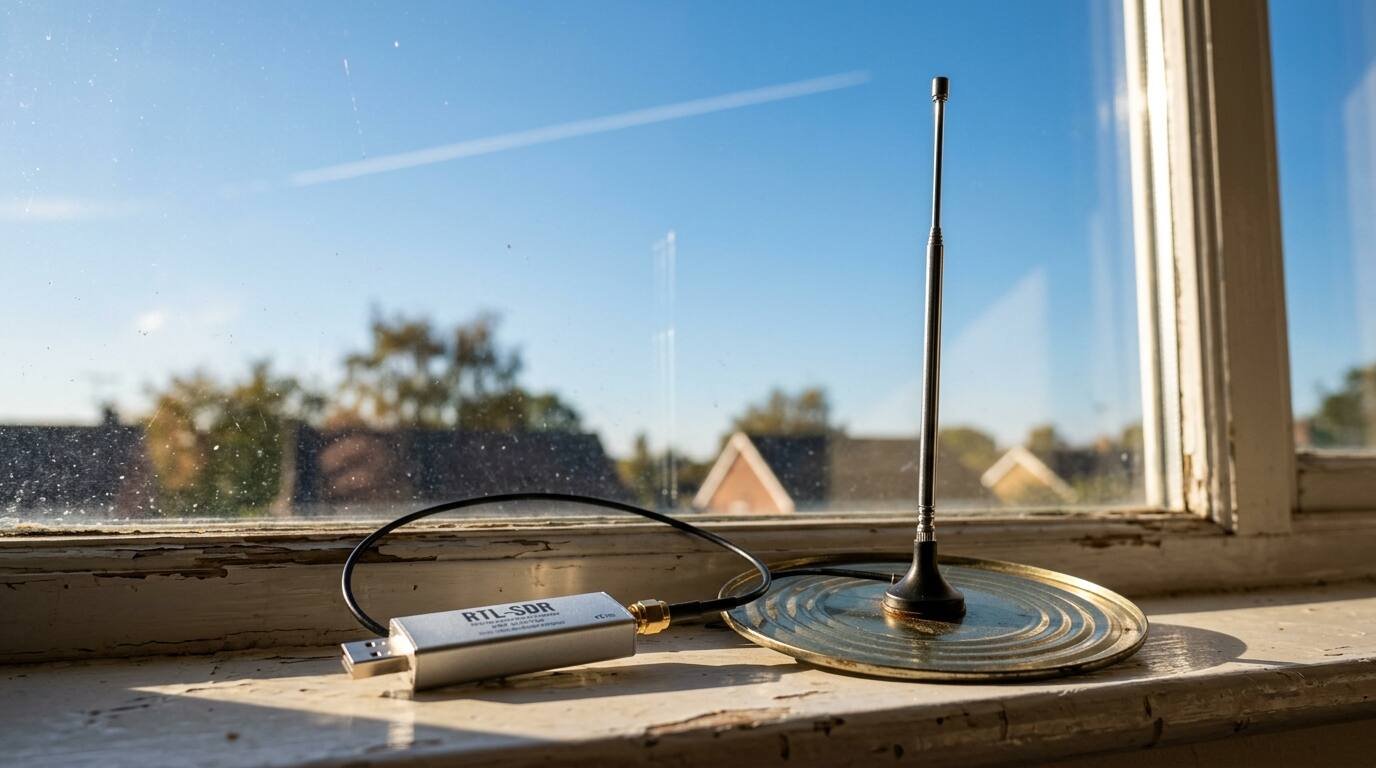
How ADS-B works on 1090 MHz, how to size a vertical antenna, and how to go from an RTL-SDR dongle to a live aircraft map…
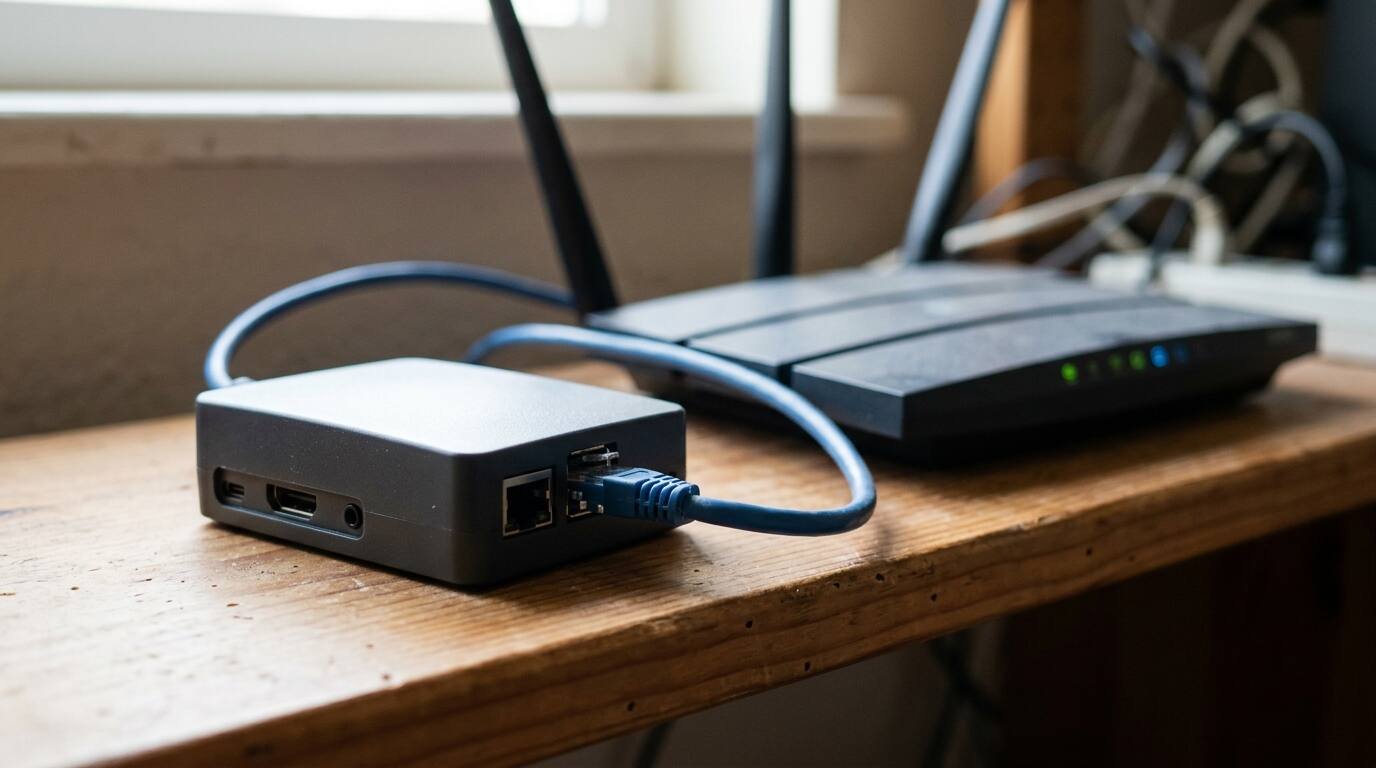
A step-by-step Pi-hole setup guide: how DNS sinkholing works, the install, pointing your router at it, a test, what can go wrong, and what DNS…