

Tesla and Waymo are now separated by 15 vehicles in the Texas automated-vehicle registry, 1,244 to 1,259, according to a Benzinga analysis of tracker data drawn from the state record. The figure circulated widely as a sign that Tesla had nearly caught its rival. The registry, however, lists vehicles authorized to operate. It does not say how many are on the road, how many carry riders, or whether a human is aboard, and the week the number went around also produced a new federal review of Waymo’s school-bus behavior and a Tesla launch in San Antonio with, by one tracker’s count, a single car.
Video: report on Tesla’s San Antonio robotaxi launch, from the KSAT 12 channel on YouTube. The registry counts and safety figures in this article come from the written sources listed below.
What the registry counts say
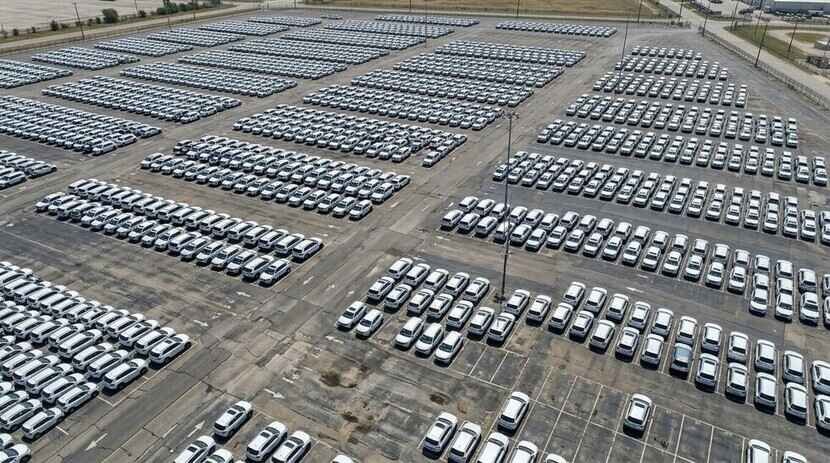
The Texas Department of Motor Vehicles keeps a registry of automated vehicles by operator, and tracking sites read it. According to Benzinga, Tesla’s count rose from 546 on September 30 to 1,244 on November 1, an increase of 128 percent. In the seven days through November 1, Tesla added 274 vehicles and Waymo added 52. Waymo’s 1,259 split into 863 Jaguar I-PACE vehicles and 396 Zeekr RT vehicles.
The Tesla total includes two vehicle types: 573 Cybercabs and 631 Model Ys, plus 40 entries recorded under the apparent typo “Modey Y”, per the same tracker. A separate report from EV put Tesla’s fleet past 1,000 in late October, with 544 Cybercabs and 507 Model Ys. The two snapshots are a week or so apart, and Benzinga itself says the tracker’s model labels should be treated cautiously while the overall total is clear.
Benzinga added the limit that matters most: the registration figures do not disclose how many vehicles are deployed in each city, how often they complete trips, or how much revenue they generate, and they do not show that every registered vehicle operates without a safety monitor. EV made the same point more bluntly, noting that registrations run ahead of the cars riders actually see in service.
San Antonio: a large map and few cars
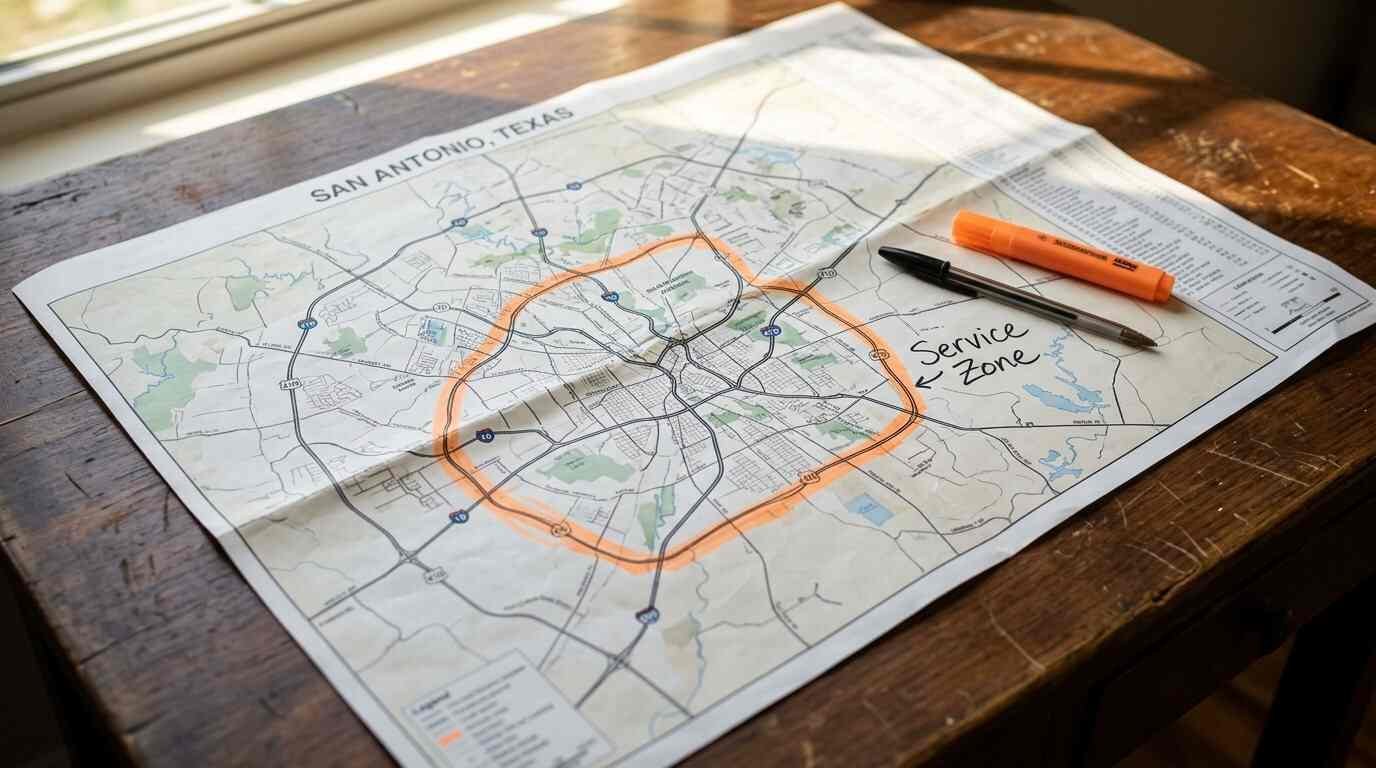
Tesla opened service in San Antonio on Monday, November 9, its eighth city and its fifth in Texas, after Austin, Dallas, Houston and Fort Worth, according to EV. It announced the start through its Robotaxi account on X with a map of what it called the launch geofence. Tesla did not state the size, but shareholder and content creator Sawyer Merritt counted about 275 square miles, which would make it Tesla’s largest zone at launch and slightly larger than Austin’s previous 272.
Axios San Antonio compared the two services. Waymo’s area extends north only as far as San Antonio International Airport, and Waymo is authorized to carry riders to and from the airport; Tesla is not yet, an airport spokesperson told Axios. On fleet size, Axios cited the Robotaxi Tracker site, which showed one Tesla vehicle in San Antonio. When Tesla launched in Houston in April it began with two. EV reported that Tesla has more than 400 autonomous vehicles registered in Austin while other cities have between a handful and a few dozen, with 24 in Fort Worth and five in Miami.
Tesla did not say whether the San Antonio cars would carry safety monitors, according to TechCrunch, and it did not say whether the fleet would include the Cybercab or only modified Model Ys. Teslarati reported that the service uses Model Y vehicles without a safety driver in the car. The outlets differ, and Tesla’s own announcement did not settle the point.
The same morning, Tesla enlarged its Austin zone by 171 square miles, or 63 percent, to 443 square miles from 272, by Merritt’s count. The Robotaxi Tracker puts Waymo’s Austin area at 151 square miles, so Tesla’s zone is nearly three times as large. Waymo’s San Antonio area covers about 60 square miles, including downtown and the airport, with flood-risk zones carved out of the map. The flood carve-outs trace to an incident earlier this year in which one of its unoccupied vehicles drove into a flooded road and was swept into Salado Creek; Waymo resumed service in September, five months afterward, as reported by EV.
What Tesla has reported
The company’s numbers come from its own reports and earnings call. Its Robotaxi safety report put the fleet at 3.1 million miles with no safety monitor on board between January 22 and October 18. On the October 21 earnings call, CFO Vaibhav Taneja said cumulative unsupervised miles increased eightfold during the quarter, and Elon Musk said the Austin Cybercab fleet had grown by a factor of 10 since launch about a month earlier. These are company statements, and independent audits of them were not found in the coverage reviewed.
A caution arrived in July. TechCrunch reported that Tesla’s own data showed the network drove fewer miles with paying customers in the second quarter than in the first. Growth in registered vehicles and growth in paid miles are separate measures, and they do not always move together.
Operating hours have widened in steps. Tesla’s Robotaxi account said on October 12 that hours were 6 a.m. to 11 p.m., then on October 30 that they were 6 a.m. to 2 a.m. The San Antonio launch began at 5 a.m. On the call, Ashok Elluswamy, Tesla’s vice president of AI software, said the company expected to unlock 24/7 operation over the rest of the year and move to higher-speed roads, as EV reported. Musk has said the main limit on night operation is that vehicles struggle to see pets in the dark.
Where Tesla says it goes next
San Antonio is the first of four cities Tesla listed as “coming soon” on its Robotaxi safety page on October 21, along with Las Vegas, Phoenix and Jacksonville, and no dates were given for any of them, according to EV. Fort Worth, which launched on November 2, was not on that list. Asked on the earnings call how the Cybercab fleet would scale past Austin, Elluswamy said Tesla had launched the two-seater there because it wanted to swarm Austin with Cybercabs, and that there was no fundamental reason for the limit. The Cybercab has carried paying riders only in Austin since September 3, and Tesla said on October 10 that more than 300 were serving the city.
By Merritt’s count, Tesla’s driverless zones now cover a combined 4.2 million people, 1.2 percent of the U.S. population, up from 1.0 percent a week earlier. Outside Texas and Florida, Tesla’s Bay Area service uses human drivers behind the wheel because the company lacks the California permits for driverless ride-hailing, per EV.

The federal review of Waymo
The comparison cuts both ways, because Waymo’s record is under fresh review. On Monday, the National Highway Traffic Safety Administration opened a recall query covering 2,895 Waymo vehicles, as EV reported, a figure Reuters rounded to approximately 3,000 in the account relayed by Benzinga. The agency is examining whether a software update from December 2025 reliably stopped vehicles from passing school buses with flashing red lights. It closed an earlier preliminary investigation, opened in October 2025, as it moved to the recall query.
NHTSA said many of the reported incidents occurred after Waymo indicated the fix had been deployed, according to Reuters as relayed by Benzinga. The Austin school district documented 19 incidents and issued multiple citations carrying $300 fines, and Atlanta public schools recorded six violations. Waymo’s statement was that it had made significant improvements around school buses and had received no citations since March. It said it would cooperate with the investigation.
The company also reports more than 500,000 rides a week across 14 cities with about 4,000 vehicles, per the same article. Waymo issued a recall of more than 3,791 vehicles in May after a software glitch, and NHTSA and the National Transportation Safety Board opened separate investigations after a Waymo vehicle struck a child near a Santa Monica elementary school in January; the child had minor injuries. Those numbers sit beside the Texas registry rather than inside it: 1,259 is a Texas count, and Waymo’s fleet runs across many more cities.
Reading the numbers
The measures in play answer different questions. Registrations answer how many vehicles an operator has been authorized to run. Geofence area answers how much map is open. Rides and paid miles answer how much work gets done, and incident records answer how safely. Tesla leads on map area in Austin by a wide margin and has reported strong growth in registered vehicles and unsupervised miles. Waymo has published a weekly ride total, more than 500,000, and Tesla’s equivalent was not found in the sources reviewed. Nothing reviewed offered a side-by-side of paid trips per vehicle for the two companies, which is the number that would turn the registry race into a comparison of operations.
Sources
- Benzinga, Tesla’s 128% Robotaxi Surge Puts It Just 15 Cars Behind Waymo
- EV, Tesla Launches Robotaxi in San Antonio, Its Largest Service Area at Launch, November 9, 2026
- Axios San Antonio, November 9, 2026
- Benzinga, Waymo Faces Fresh Federal Probe
- TechCrunch, Tesla expands robotaxi service to San Antonio, November 9, 2026
- Teslarati, Tesla Robotaxi enters its newest city, reaching San Antonio
- KSAT 12 on YouTube