






A Nature study ties a gut bacteria cholesterol effect to one fatty acid that blocks the statin target HMGCR in mice. What is shown, and what is not.
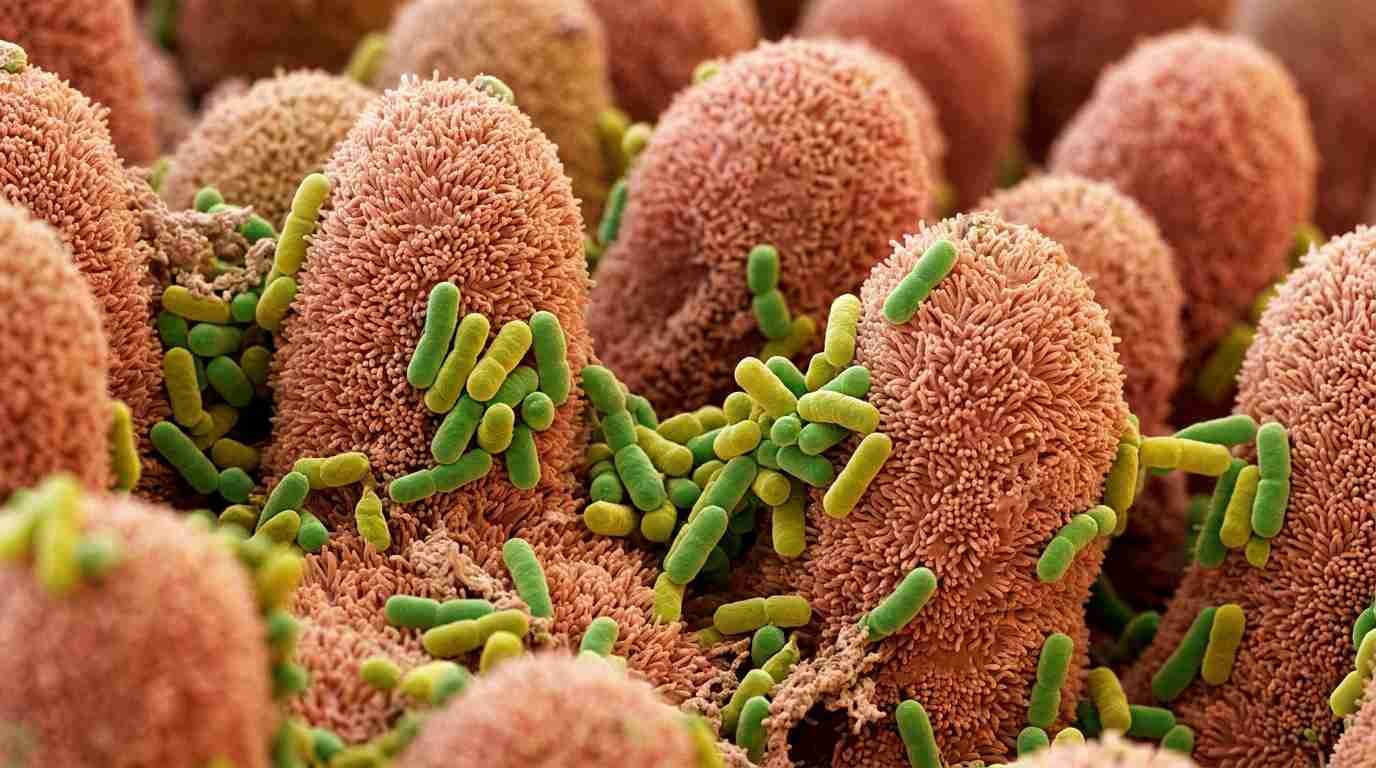
A gut bacteria cholesterol effect reported in Nature on 7 October 2026 comes down to a single molecule. A common intestinal microbe, Bacteroides uniformis, makes an odd-chain fatty acid called pentadecanoic acid, and in mice that molecule lowered cholesterol and shrank the plaques that clog arteries. The proposed mechanism is the same enzyme that statins block.
Before anyone reaches for a probiotic, some context. The efficacy data are from genetically engineered mice on a high-fat diet. The human data are associations. And the two main accounts I read disagree on how much plaque shrank. This post lays out the mechanism, the numbers as reported, and the distance between this result and a treatment.
What the researchers did
The paper is titled “A gut microbial odd-chain fatty acid alleviates atherosclerosis in mice”. Its first author is Chao Yin and the last author listed is Wenjing Zhao of Sun Yat-sen University in Shenzhen. Earlier work had already noted that people with atherosclerosis tend to have fewer Bacteroides in their gut. What was missing was proof that the bacteria do something, rather than just disappear when a person is sick.
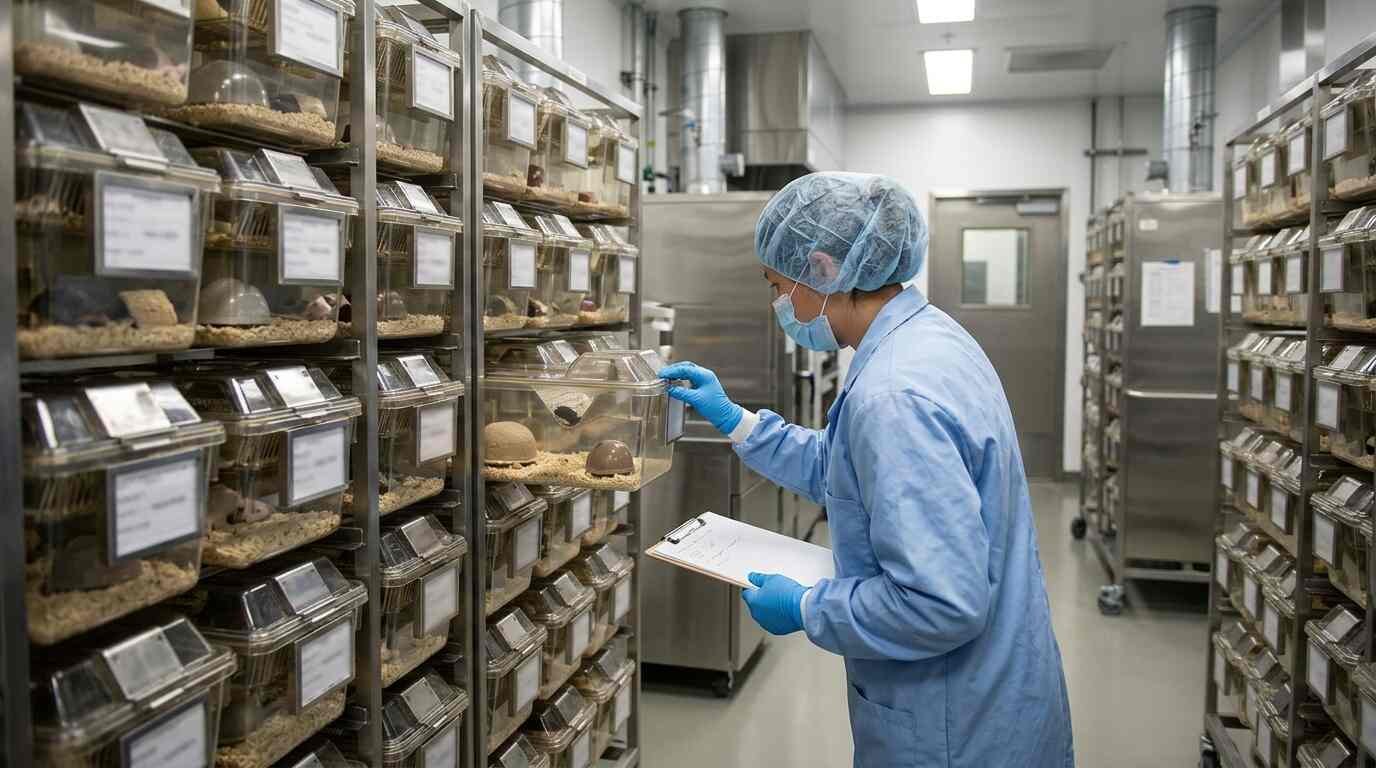
The team used a mouse model that develops atherosclerosis, fed a high-fat diet. Giving the animals live B. uniformis reduced plaque in the main arteries compared with untreated mice, lowered total cholesterol and LDL cholesterol, and reduced inflammatory immune cells in the arterial walls, as Nature’s news report describes it. They then screened for the bioactive molecule responsible, using bioactivity-guided screening, and landed on pentadecanoic acid.
Why one fatty acid matters
Pentadecanoic acid, also written C15:0, is a saturated fatty acid with 15 carbon atoms in its chain. Odd-chain fatty acids are unusual because most fatty acids made by animal cells have even numbers of carbons. Bacteria are one natural source.
According to the paper’s abstract, the acid acts by directly inhibiting HMG-CoA reductase (HMGCR), the liver enzyme that catalyses an early, rate-limiting step in cholesterol synthesis. That enzyme is the target of statins. With HMGCR slowed, the liver makes less cholesterol on its own.
From enzyme to artery wall
The step from a blocked enzyme to cleaner arteries runs through the LDL receptor. When liver cells sense that their internal cholesterol is falling, they build more LDL receptors on their surface. Each receptor pulls LDL particles out of the bloodstream. The abstract says B. uniformis upregulated hepatic LDL receptor expression, and Nature’s report says the molecule reduced production through the enzyme and so pushed the liver to clear more LDL from blood.
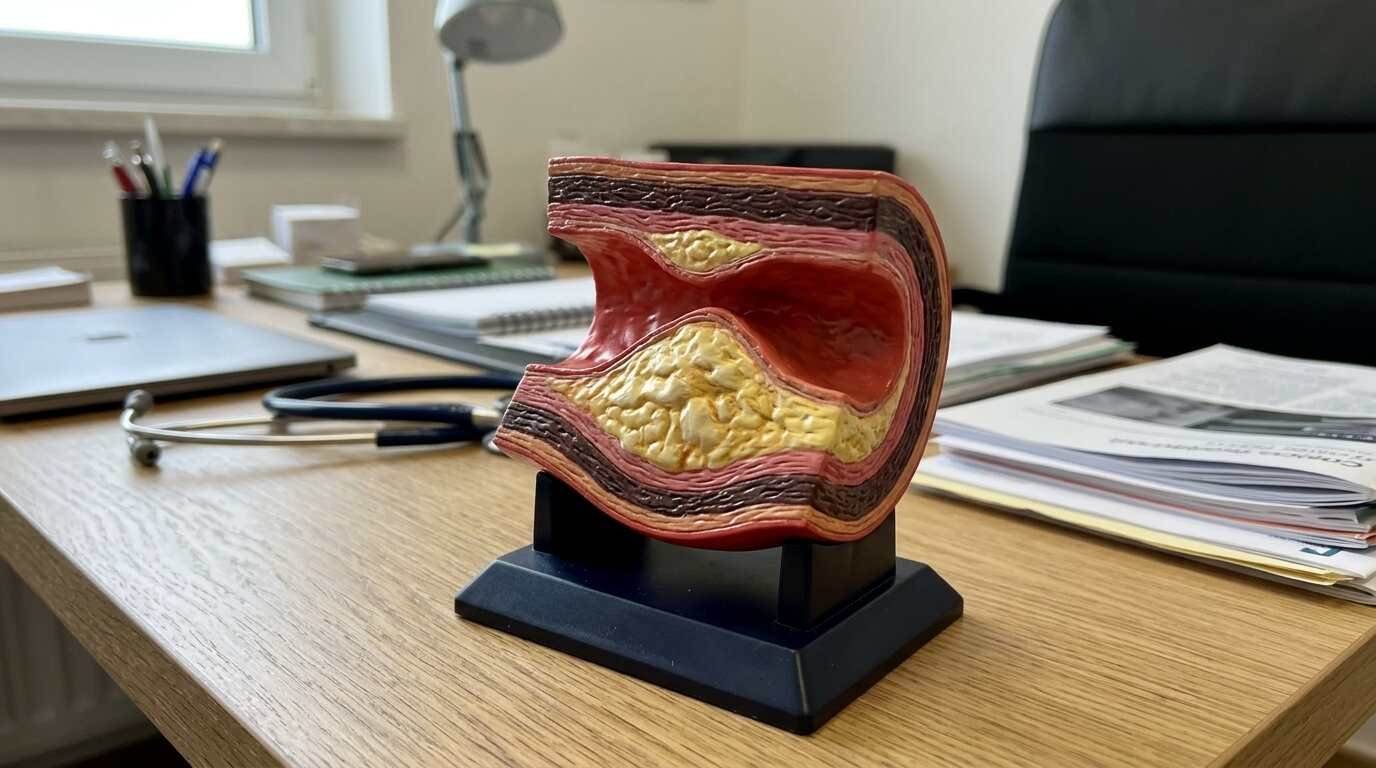
Less LDL circulating means fewer particles lodging in the artery wall, where they get oxidised, attract immune cells and build a plaque. That is why the reduction in inflammatory cells reported in the arteries is consistent with a cholesterol-first mechanism, though the sources do not show how much of the benefit comes from lipid lowering and how much from any direct anti-inflammatory action.
Plaque builds slowly. LDL particles cross the inner lining of an artery and become trapped in the wall, where chemical modification draws in immune cells that engulf the lipid and turn into foam cells. Over years this forms a fatty core capped with a fibrous layer. Lowering circulating LDL reduces the supply, and the mouse results are consistent with that: lower LDL and cholesterol alongside fewer inflammatory immune cells in the wall.
Mice complicate the picture because the model animals are engineered to develop disease in months, not decades. A reduction in plaque there can be large for reasons that do not translate to an established human plaque that took decades to build.
Working through the numbers
Here the sources diverge. The paper’s abstract page reports that pentadecanoic acid supplementation reduced plaque burden by around 50 percent. Nature’s news article gives two figures: its lead says about half, but the body text says plaques shrank by about one third in mice given live bacteria. These can describe different experiments, the pure molecule versus the whole microbe, but the news text does not say so, and I could not check the full paper.
The difference is bigger than it sounds. If control mice have a plaque area of 100 units, a 50 percent reduction leaves 50, while a one third reduction leaves about 67. In the second case the treated animals carry 34 percent more plaque than in the first. For a result that might inform future human trials, that gap matters.
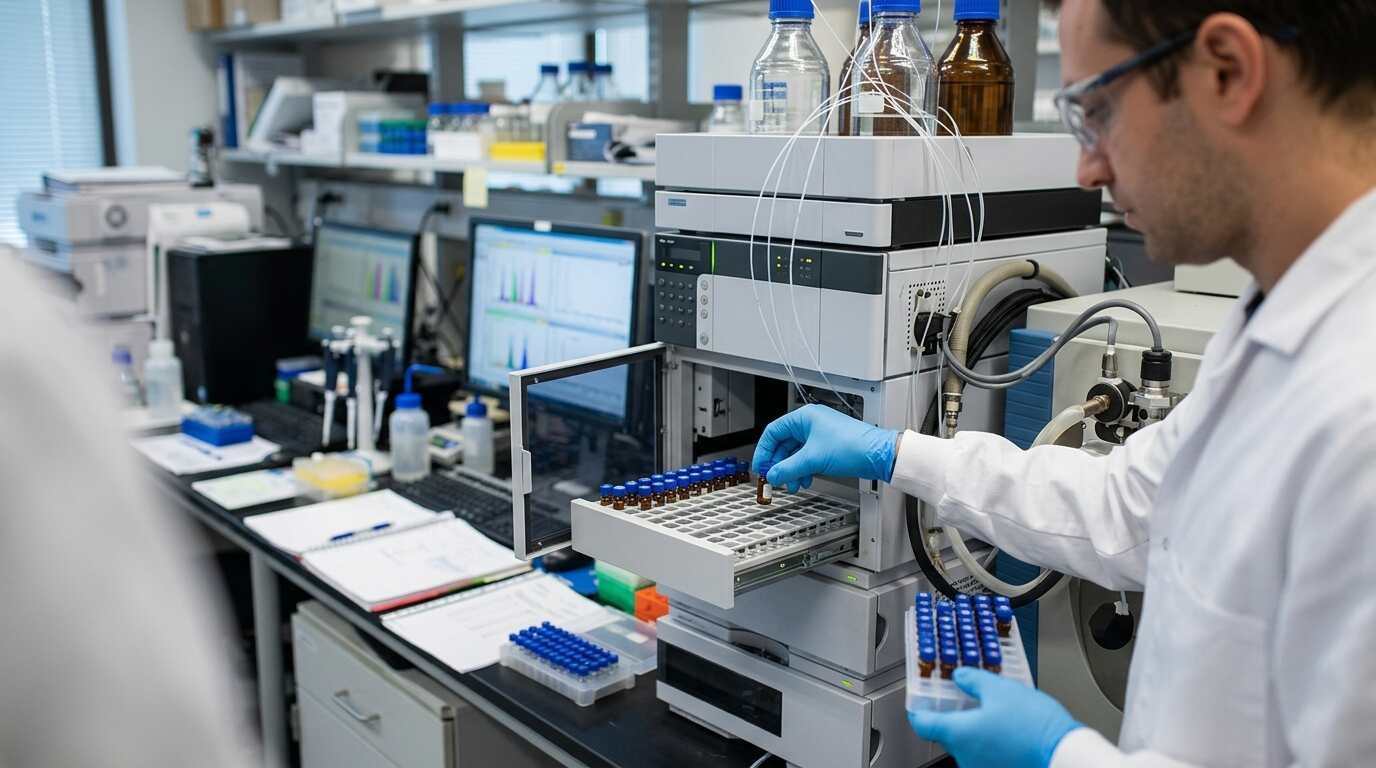
The other numbers are about breadth. The researchers analysed 100 gut bacterial strains and found that several genera in the Bacteroidota group can make the fatty acid, not only B. uniformis. In more than 200 human donors, people with abnormal blood fats had lower levels of the acid, and people with heart disease carried fewer bacterial genes for making it. The sources do not give sample sizes for the mouse experiments or a breakdown of the human cohort, and I will not guess them.
How it compares with a statin
It is tempting to say the microbe acts like a natural statin. The shared target supports that for the mechanism. It does not support it for effect size or safety. Statins are small molecules with known doses, decades of human trial data, and well-characterised side effects. A bacterial metabolite made in the gut will vary with which strains a person carries, what they eat, and how much of the molecule reaches the liver.
The article also notes that the compound inhibits the same kind of target as statins. Whether it works additively with a statin, or competes with one at the same enzyme, is unexamined in what I read. That is the kind of question a follow-up study would be built around.
How a gut metabolite reaches the liver
The route is not mysterious in outline. Blood draining the intestine travels first through the portal vein to the liver, so molecules that bacteria release in the gut or that are absorbed from it meet liver cells before they spread through the rest of the body. That anatomy is why the liver is a natural place to look for gut-microbe effects on cholesterol, and it fits the paper’s claim that hepatic LDL receptors are the downstream readout.
What the reports do not say is how much of the fatty acid actually reaches the liver in a living animal or a person, or how that amount compares with the concentration needed to inhibit the enzyme in a dish. That dose question separates a mechanism that exists from one that matters. A molecule can inhibit HMGCR in a test tube and still contribute little in a body if the exposure is low.
What the evidence cannot show
Three limits stand out. First, the efficacy results are from mice, and the particular model, with its altered fat metabolism and high-fat diet, produces plaque faster than human disease develops. Mouse plaque is a useful signal, and a poor guarantee, of what happens in a human artery over decades.
Second, the human data are correlational. Ben Chen of the Monash Victorian Heart Institute described the evidence to Nature as pointing to a potentially causal mechanism, which is a careful way to say it is not shown. People with heart disease differ from healthy controls in diet, medication and gut environment, any of which could change bacterial levels.
Third, the accessible reports give no statistical detail or dosing. I could read an abstract page and a news article. Neither is a substitute for the paper’s methods.
What would come next
A credible path to people has several steps. Researchers would need to show that raising the bacteria or the acid lowers LDL in humans, that the effect is on top of existing therapy, and that it is safe over years. A trial of the purified fatty acid is simpler to run than one of live bacteria. Whether either is ever tested depends on results that do not exist yet.
For readers deciding what to do today, the reasonable position is to leave medication and diet advice where it is. The finding is a hypothesis with a mechanism, not a recommendation.
Frequently asked questions
What did the Nature study find about gut bacteria and cholesterol?
In mice prone to atherosclerosis and fed a high-fat diet, the gut bacterium Bacteroides uniformis lowered cholesterol and reduced arterial plaque. A fatty acid it produces, pentadecanoic acid, was identified as a main active molecule.
Does this work like a statin?
It appears to act on the same enzyme, HMG-CoA reductase, which the liver uses to make cholesterol. That is a mechanism match only; there is no human data comparing effect or safety.
How much did plaque shrink?
Reports differ. The paper’s abstract page says around 50 percent with the fatty acid, while Nature’s news text says about one third in mice given the live bacteria. Check the full paper before quoting either.
Should I take a probiotic or supplement for cholesterol?
Nothing in these sources supports that. The efficacy evidence is from mice and the human evidence is observational. Talk to a clinician about cholesterol management.
Microbiome science has produced many associations and few mechanisms that survive contact with a chemistry lab. This paper is worth attention because it names a molecule, an enzyme and a receptor, and each of the three can be tested independently in people. If a purified odd-chain fatty acid fails to lower LDL in humans, the mouse result will be a footnote about a convenient animal model. If it works at all, it would be a reminder that the old statin target can be reached from the gut, not only from the pharmacy shelf.
Sources



