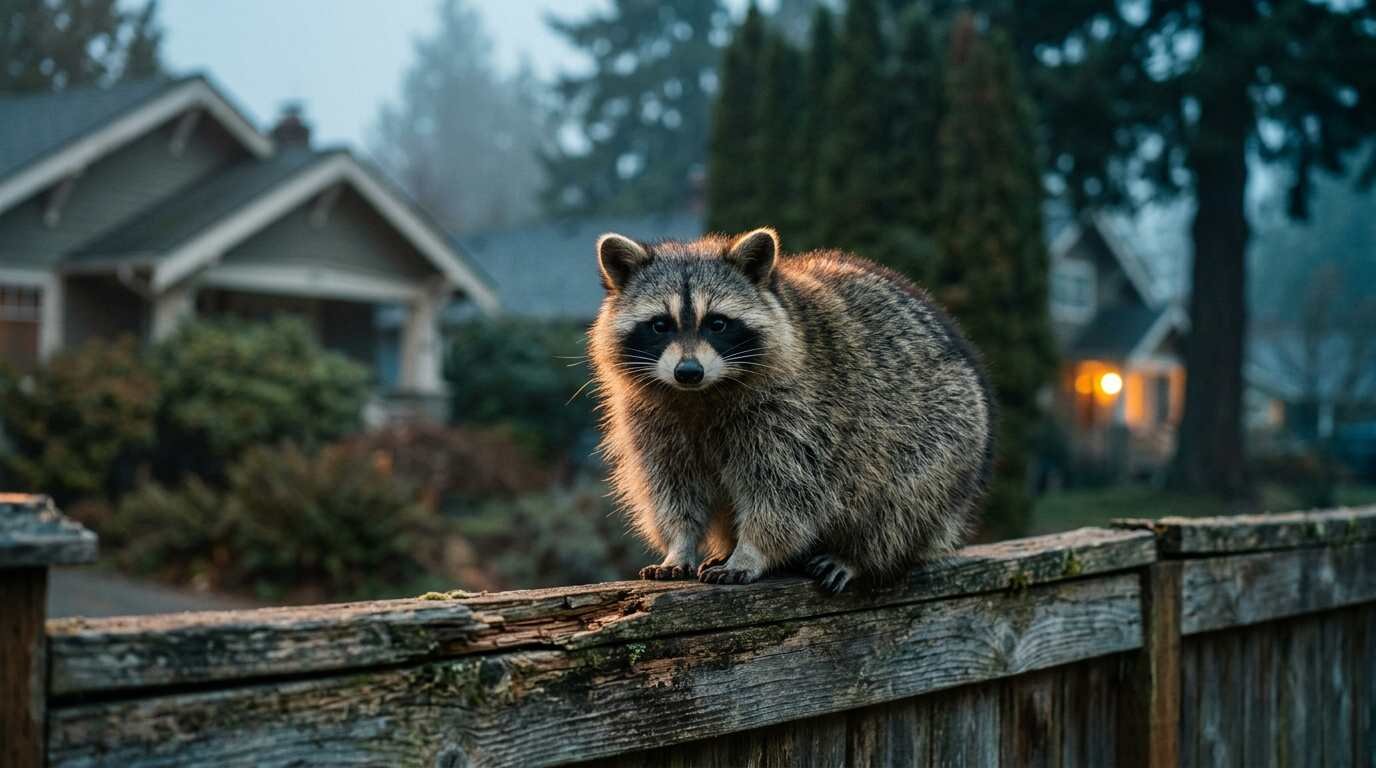
A rare spinal condition, a neighborhood video and a city proclamation: what we know about Jimothy, the Seattle raccoon the internet adopted.
A couple out for an evening walk in Seattle’s Ballard neighborhood on July 13 saw something under a parked car and took it for a cat. It was a raccoon, and not a typical one. Kiana Hall posted a short clip to Instagram, and within two weeks the animal had a nickname, a mural, a cameo at a Mariners game and an official proclamation from city councilmembers.
His name is Jimothy. Here is what is actually known about him, how the story spread, and what the science says about his unusual shape.
At a Glance: What We Know About Jimothy
- Who: a wild raccoon living in Seattle’s Ballard neighborhood, nicknamed Jimothy by the internet.
- Condition: wildlife experts believe he has short spine syndrome, a rare congenital condition. A firm diagnosis from video alone is hard to make, according to Smithsonian Magazine.
- Health: by the accounts of the experts quoted in news coverage, he appears healthy and able to survive in the wild.
- First viral clip: posted to Instagram by Kiana Hall (@c1vrgr1), per Smithsonian.
- Official recognition: summer 2026 was declared “Jimothy Summer” by Seattle councilmembers on July 26.
- Merchandise: the National Bobblehead Hall of Fame and Museum announced a Jimothy bobblehead at a $30 presale price, with shipping expected in December.
- Latest news: the most recent coverage I could find dates to late July. Check local Seattle outlets for anything newer.
How It Unfolded: A Timeline
Reports differ by a day or two on the earliest posts, so read the dates below as approximate.
- July 13: Hall spots the raccoon under a car, films him and posts the clip to Instagram (Smithsonian).
- About July 15: a Ballard resident posts video of him on X, according to a photo caption in the New York Sun.
- July 17: Fox stations run Storyful footage shot by a neighbor and report that the videos have drawn millions of views.
- July 18 to 19: the video spreads worldwide over the weekend, and a CNN-distributed clip dated July 19 shows him moving between yards (KOMO, Hyperallergic).
- July 19 to 20: he appears on CBS Evening News and is featured at a Seattle Mariners game, including the Salmon Races (KOMO).
- July 22: the National Bobblehead Hall of Fame and Museum unveils the bobblehead.
- July 26: hundreds of residents gather in Ballard as Councilmember Alexis Mercedes Rinck, speaking for her office and Councilmember Dan Strauss, declares Jimothy Summer (FOX 13 Seattle).
- July 27: Reps. Anna Paulina Luna (R-FL) and Tim Burchett (R-TN) send a letter to Seattle Mayor Katie Wilson about protecting him.
The Science: What Is Short Spine Syndrome?
Jimothy looks like a raccoon that has been compressed from nose to tail. His torso is short and round, and he appears to have almost no neck. The explanation experts offer is short spine syndrome.
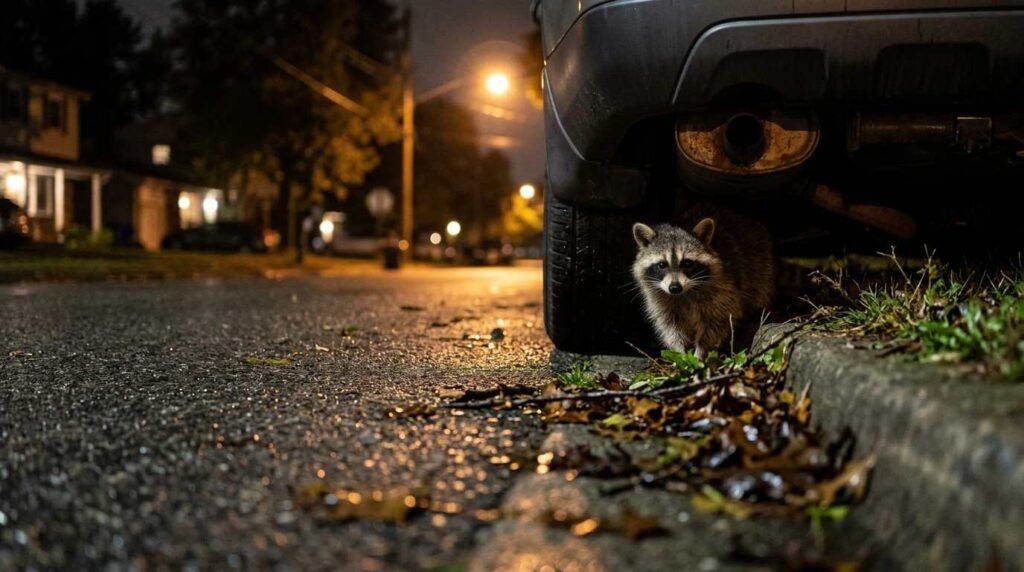
Smithsonian describes the condition as it appears in dogs. The vertebrae stay soft and pliable during fetal development instead of hardening into bone. Over time they compress, and some may fuse. Affected dogs typically end up with short, sloping backs and short tails. The cause is unknown, though scientists suspect inbreeding plays a role in dogs. Nothing in the coverage I reviewed explains why it would show up in a wild raccoon.
Seattle veterinarian Carrie Schneider told Smithsonian that the condition looks unusual but is known to occur in other mammals. Marcie Logsdon, a veterinarian at Washington State University, said the spine does not seem to slow him down. She called him spry, and noted that surviving to his current age suggests he is adapting.
One caution belongs here. Every assessment so far is an opinion formed from video. None of the reporting I read describes a hands-on veterinary exam, which is why the diagnosis is still labeled “believed” and “likely.”
Why This One Spread (Analysis)
What follows is my read of the pattern, not reported fact. Plenty of odd-looking animals get filmed every week and vanish by Friday. Jimothy did not, and a few ingredients seem to explain it.
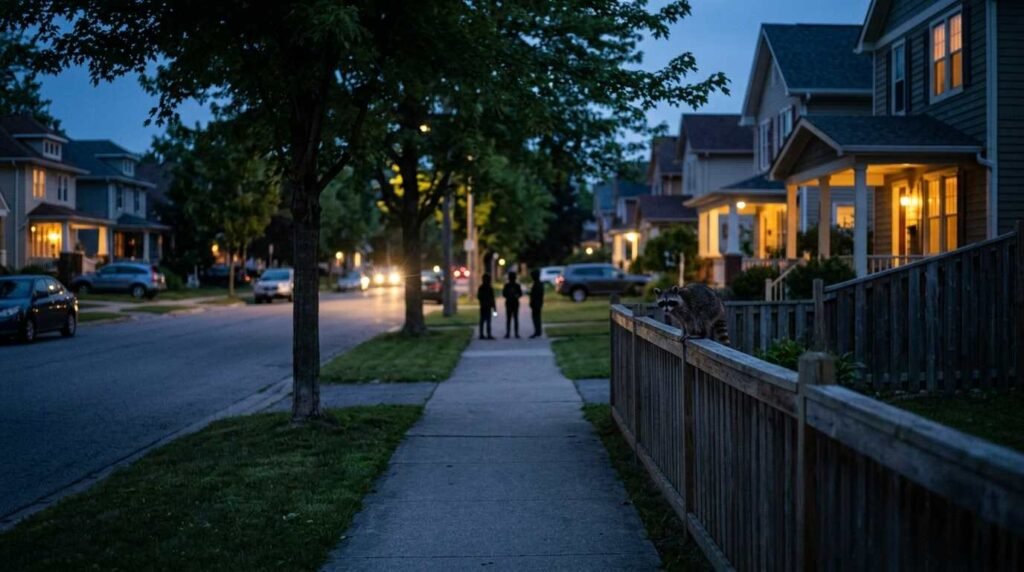
The silhouette reads instantly, even as a thumbnail on a phone. A name arrived early, which gave people something to search and tag. And Ballard supplied a ready-made cast: a pottery studio with a mural on its wall, a tattoo shop fielding requests, a ballpark with a mascot-sized gap in its lineup.
Hyperallergic writer Rhea Nayyar offered a sharper frame. She argued that Jimothy fills a public appetite for cryptids, calling him:
“Mother Nature’s answer to the human preoccupation with Bigfoot and other cryptids.”
Rhea Nayyar, Hyperallergic
Her broader point is that he is thriving without human help, unlike the pet dogs with the same condition who have become social media ambassadors. That contrast may be part of the appeal.
There is also evidence he was around long before anyone cared. A neighbor who shared footage with Storyful said some of it was shot in July 2025, a full year before the clip that caught fire. A man named Ben Trammell, who posted earlier footage of Jimothy as a baby, told Smithsonian the raccoon was born in cedar trees in a neighbor’s yard, trees the landlord later cut down. Virality, in other words, is often a matter of timing and framing rather than novelty.
From Meme to Mayor’s Desk: The Official Response
The July 26 gathering was part ceremony and part block party. According to FOX 13, Rinck told the crowd that Seattle builds its culture on its quirks, and attendee Samantha Garza summed up the mood with “This is how legends are made.” A painting of Jimothy by artist Kayla Carabes is slated for display at City Hall.
The attention then reached Washington, D.C. In a letter obtained by TMZ, Reps. Luna and Burchett acknowledged they disagree on most things, then asked Seattle to enroll Jimothy in wildlife monitoring, track his health and movements, and expand public outreach in the neighborhoods where he has been seen. Their stated priority: “Jimothy’s safety should be our number one concern.”
The Part That Matters Most: Keep Your Distance
Fame is a risk for a wild animal. After the videos spread, crowds went to Ballard hoping to film him, and Washington Department of Fish and Wildlife officials urged people to stay back, not feed him and not approach. Logsdon put the line plainly: “respectful sharing needs to remain just that.”
The practical advice is short:
- Watch from a distance and keep any photography quiet and brief.
- Do not feed him or leave out food, which can pull wildlife toward people and traffic.
- Keep pets away. Wild raccoons can bite and can carry disease.
- Do not post exact locations where doing so would draw a crowd to a specific yard.
Jimothy FAQ
Is Jimothy a real animal or an AI creation?
He is a real wild raccoon. Multiple residents have filmed him, and outlets including Smithsonian, CBS and CNN-distributed video have covered him.
Is Jimothy sick or in pain?
Experts quoted in coverage say he appears healthy and active, and Hyperallergic notes he shows no obvious signs of distress. Those are visual impressions, not the result of an exam.
Where can I see him?
He has been spotted around Ballard, but wildlife officials ask people not to go looking for him or crowd the area. Following local Seattle news is the safer way to keep up.
Can I buy a Jimothy bobblehead?
The National Bobblehead Hall of Fame and Museum announced a presale at $30 with shipping expected in December. Coverage did not say whether any proceeds go to charity, so check the museum directly.
Has the government officially recognized him?
Seattle councilmembers declared “Jimothy Summer” at a July 26 event in Ballard. Two members of Congress also wrote to the mayor asking the city to look after his welfare.
For now, Jimothy remains what he was on July 13: a raccoon going about his night. The best thing the internet can do for him is let him.
Sources