





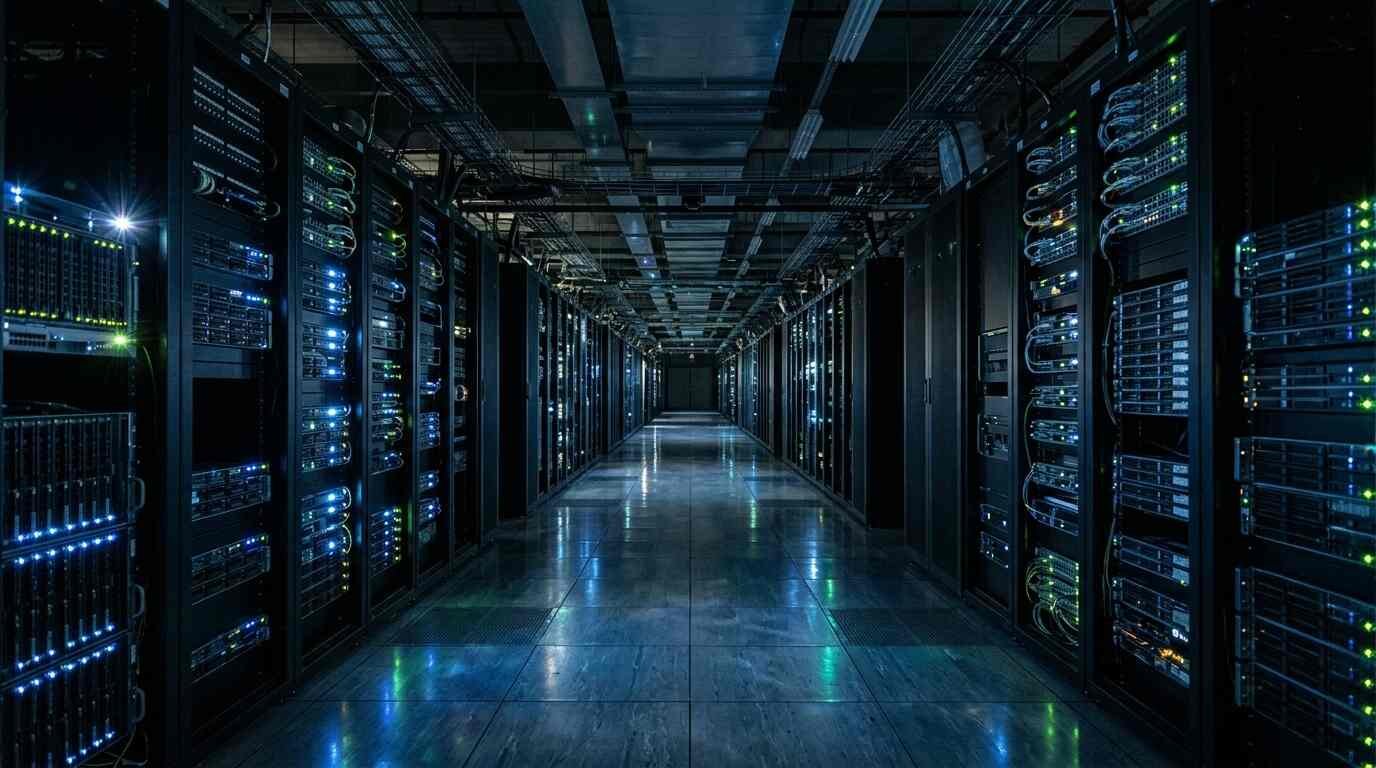
In the news: CoreWeave, a heavily indebted AI cloud company, became the focus of a global tech selloff as the cost of insuring its debt hit a record. Here is what the Reuters and market reports establish, where the numbers disagree, and what to watch.
CoreWeave, the loss-making cloud company that rents Nvidia-powered computing to AI developers, became the focus of a global tech selloff this week. Reuters reported on Friday (syndicated by Devdiscourse) that its shares fell as much as 8.3% on Thursday to their lowest level since May 2025 before steadying, while the market for insuring its debt against default hit levels that imply a serious chance of trouble within five years. The episode matters well beyond one stock: it is the clearest public test yet of whether the borrowing behind the AI buildout can be paid back.
This is a judgement about what readers will care about, not a prediction of how the stock behaves. Here is what the reporting establishes, where the numbers disagree, and what to watch next.
What happened to CoreWeave
According to Reuters, CoreWeave is loss-making and carries about $50 billion in debt. Its bonds issued in April yielded roughly 15% on Thursday and traded near 79 cents on the dollar, per Tradeweb data cited by the wire. The cost of insuring that debt against default rose to about 1,000 basis points, which Reuters says implies a nearly 63% chance of default over five years, up from about 30% a year earlier. Put-option volume on the stock hit a record on Wednesday, according to a Susquehanna derivatives strategist quoted in the same report.
Not every outlet agrees on the details. The Next Web, citing ICE Data Services, put CoreWeave’s five-year credit default swaps at as much as 1,194.5 basis points intraday, a record, and described total debt as about $30 billion as of June, roughly triple a year earlier. A different date and a different definition of debt could explain the gap between $30 billion and $50 billion, but none of the reports reconcile the two, so treat both figures as reported rather than settled.
Why one company moved the whole sector
CoreWeave matters because it is a pure bet on AI demand financed with borrowed money. Nvidia is its second-largest shareholder with a stake of about 10%, supplies the chips it runs on, and has agreed to buy unsold CoreWeave capacity through April 13, 2032, according to Reuters. Even with that backstop in the form of a purchase agreement, the credit market is pricing real risk.
Nvidia chief executive Jensen Huang spoke to this in Stockholm on Thursday. He said CoreWeave’s financial strength is improving every day and that Nvidia does not need to backstop the company, a point the Next Web and Reuters both relayed. CoreWeave chief executive Mike Intrator reportedly told staff in an internal memo that the company’s backlog more than covers its debt obligations and that markets can act irrationally. Co-founder Brannin McBee told the Financial Times the company is seeking an investment-grade rating, per Reuters.
Those are the company’s and its supplier’s views. The market’s view showed up on Friday: TheStreet’s market wrap put the Nasdaq down 2.14% at 26,140.03, the S&P 500 down 1.09%, and the S&P 500 technology sector down more than 3%. CoreWeave fell about 11.8% at midday in that report, and the pain spread to other AI infrastructure names. Hotter-than-expected inflation data pushed Treasury yields up the same day, which makes borrowed money more expensive and richly valued tech stocks harder to justify. This is the same rate pressure we covered in Why a Hot Inflation Report Shook AI Stocks Around the World.
The scale of the spending
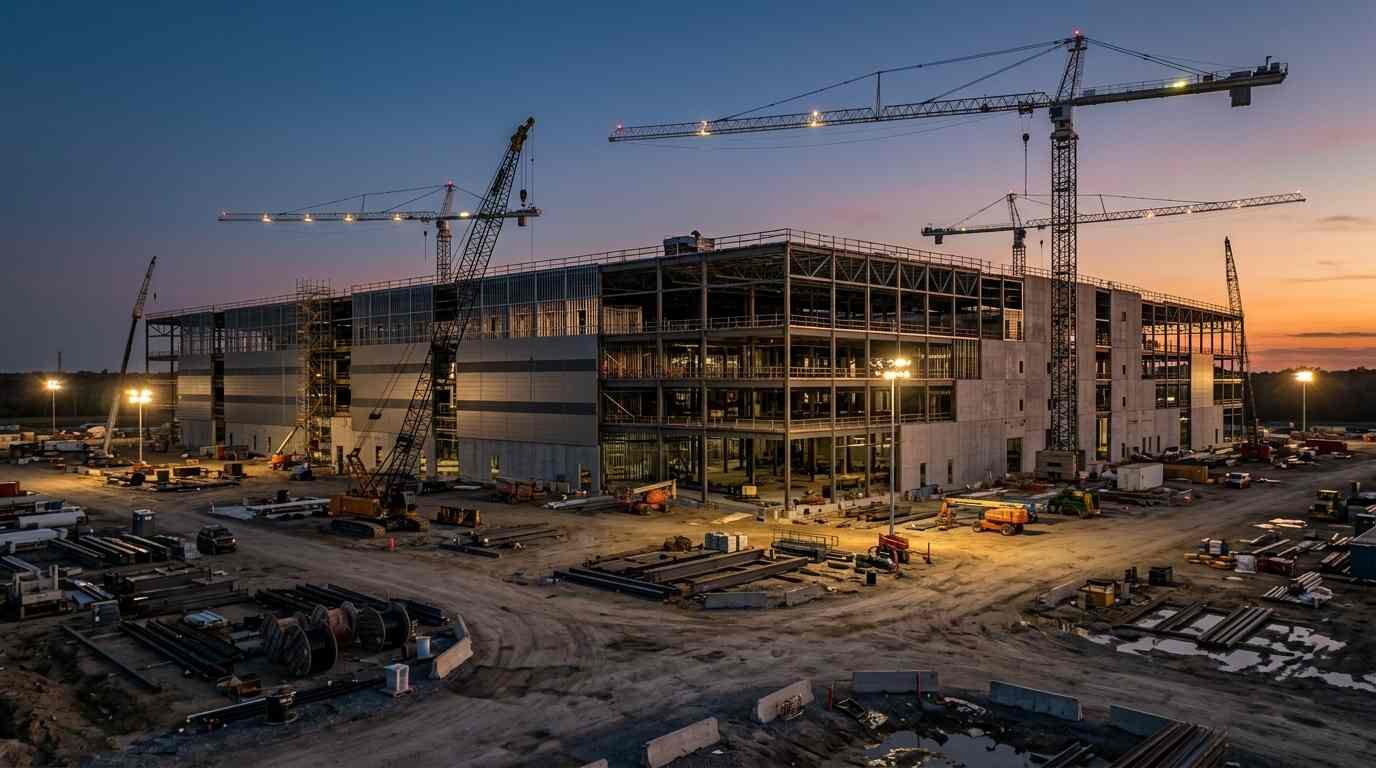
The numbers around the buildout are large. Reuters says CoreWeave raised its annual capital spending forecast by $4 billion in August, to as much as $39 billion, while analysts expect about $13 billion in revenue and a loss of roughly $2.13 billion this year. Across the industry, US tech giants are expected to spend more than $700 billion on AI this year, the wire reported. The Philadelphia Semiconductor Index lost more than $1.6 trillion in market value over six sessions, an 11.6% slide, by Reuters’ count.
Gartner analyst Will Sommer warned that enterprise and consumer AI revenue may not support profitable returns on planned capital spending, according to Reuters, and Gartner said about 80% of so-called neoclouds could shut down by 2030, with more than $3.5 trillion of AI spending facing possible impairment. Those are forecasts from one research firm, and forecasts of this kind have missed in both directions before. They do explain why investors are now asking about cash flow and not just demand.
Physical limits matter too. Data centers need land, power and cooling on a schedule that financing alone cannot speed up. We looked at one version of that constraint in Texas Data Center Permits Frozen: What ERCOT’s Audit Means.
What to watch next
None of this is advice to buy or sell anything. For readers following AI as a technology story rather than a trading one, the useful signals are concrete and checkable:
- Credit pricing. Whether CoreWeave’s bond yields and default-insurance costs ease or keep climbing after this week’s reassurances.
- Big Tech earnings. Analysts quoted by TheStreet said upcoming reports must show that AI spending is generating enough revenue and cash flow to justify it.
- The Anthropic listing. Reuters notes investors are awaiting Anthropic’s IPO as a test of AI revenue growth, and says smart-ring maker Oura has reportedly delayed its own listing because of the selloff.
- Financing terms. An investment-grade rating for CoreWeave, which its co-founder says it is pursuing, would lower its borrowing costs if it arrives.
The broader point is simple. AI demand and a profitable AI business are different claims, a distinction one IG Group analyst drew in the Reuters report. Demand for computing may stay strong while the companies that borrowed to supply it still struggle, and this week gave the first loud evidence that lenders are pricing that gap.
Sources
- Reuters via Devdiscourse, CoreWeave’s slump spotlights growing burden of debt behind AI boom (Oct. 16, 2026)
- The Next Web, Nvidia’s Huang says CoreWeave needs no backstop, as its credit swaps hit a record
- TheStreet, Stock Market Today (Oct. 16, 2026)

3 Comments